
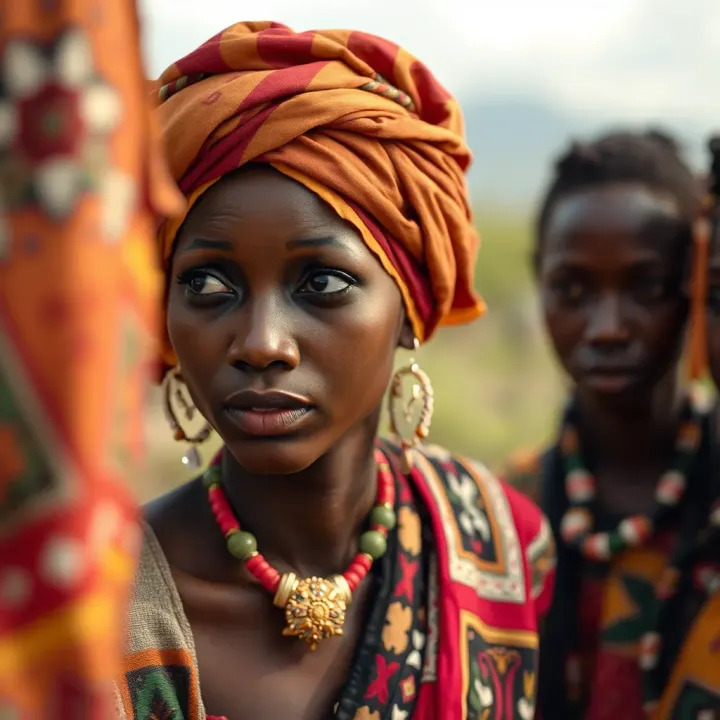
Understanding Non-Binary Identity in Kenya
Explore non-binary identity beyond male-female roles ⚧. Understand cultural roots, Kenyan challenges, lived experiences, and how to support this community today.
Edited By
Isabella Morgan
In Kenya, conversations about gender often focus on the traditional binary: male and female. However, non-binary gender identities challenge these old boundaries by refusing to fit neatly into just one of these categories. Understanding non-binary gender helps us appreciate the diversity of human experience beyond the usual male/female split.
Non-binary people don’t strictly identify as men or women. Instead, their gender identity might sit somewhere in between, be a mix of both, or lie outside these categories completely. For example, someone might identify as genderqueer or genderfluid, where their gender expression changes over time. Others might choose terms like agender, meaning they feel no particular gender at all.
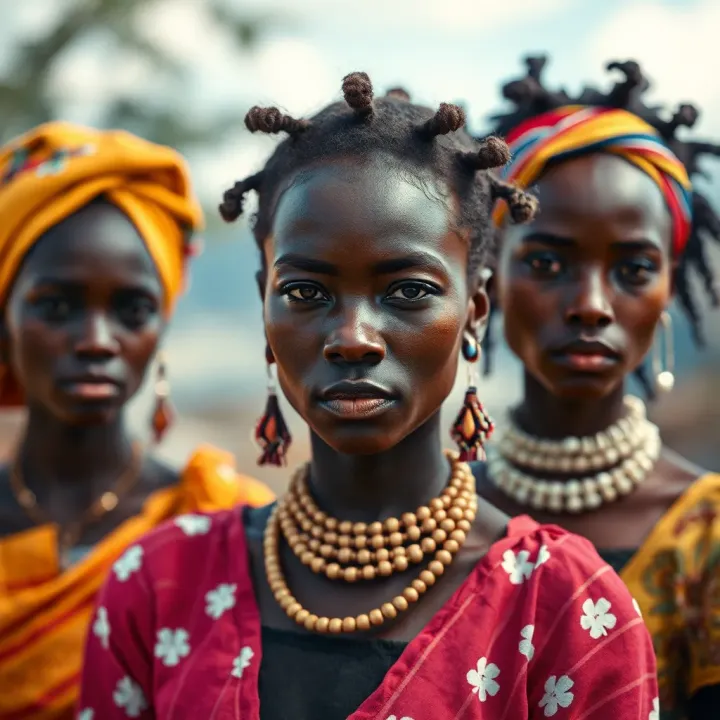
In Kenya’s cultural context, gender roles have traditionally been tied to biological sex, influencing everything from dress codes to career paths. But these roles have never been entirely fixed or universal. Some communities, especially among certain indigenous groups in Kenya, acknowledge gender expressions outside the male-female binary, although these perspectives are often overlooked in mainstream society.
Recognising non-binary identities matters for several reasons:
Social inclusion: Respecting different gender identities promotes acceptance and reduces discrimination.
Legal recognition: Some countries update their policies to accommodate non-binary people, but Kenya still lacks clear legal frameworks for this group.
Workplace equality: Non-binary individuals can face unique challenges in employment, such as dress codes or forms that only allow "male" or "female" options.
"Understanding non-binary gender goes beyond labels — it’s about respecting people’s identities and creating inclusive spaces."
For traders, investors, and professionals operating in Kenya, awareness of non-binary gender concepts helps build more inclusive workplaces and client relationships. It encourages policies that reflect Kenya’s growing cultural diversity, which can improve employee wellbeing and organisational reputation.
As Kenya’s society evolves, recognising diverse gender identities alongside traditional views will be vital. This balance fosters a more open, respectful environment where every individual can contribute freely without feeling boxed in by outdated gender norms.
Understanding what non-binary gender means is essential for grasping how gender identity goes beyond the usual categories of male and female. This concept challenges traditional views, offering a broader perspective that respects diversity in how people identify themselves. In Kenya, where culture often deeply ties to binary roles, recognising non-binary identities helps create space for inclusion and respect.
Sex refers to the biological differences between males and females, such as chromosomes, hormones, and reproductive organs. For instance, newborn babies are typically assigned male or female at birth based on physical characteristics. However, gender is a social and personal identity that relates to how individuals perceive themselves and express their roles in society. This means someone’s gender might not match the sex assigned at birth.
In Kenyan society, this distinction matters because assumptions about roles based on biological sex often limit people. Understanding the difference allows families, workplaces, and communities to respect individual identities without relying on outdated stereotypes.
While biology gives a starting point, gender is primarily shaped by social factors including culture, tradition, and personal feelings. Social perspectives focus on the roles, behaviours, and expectations connected to being a man, woman, or another identity altogether. For example, in some Kenyan communities, performing tasks like herding livestock might be labelled as masculine, while cooking is seen as feminine. Yet, these social norms don’t account for the real diversity of people’s experiences.
Recognising gender as a social construct lets society adapt and accommodate identities beyond male and female. This change fits with evolving urban environments in Kenya, where young people increasingly question strict gender roles, illustrating the need for broader gender understanding.
Genderqueer is a term for people who reject fixed gender categories; they often feel their gender is outside or between male and female. For instance, a Nairobi-based artist might use genderqueer identity to express how their experience doesn’t fit typical male or female boxes. Genderfluid individuals change their gender identity over time – some days they may feel more masculine, other days more feminine, or neither.
These identities challenge the idea that gender is static. Recognising them encourages tolerance and flexibility, allowing individuals to live authentically without forcing them into a rigid mould.
Agender refers to people who see themselves as having no gender, neither male nor female. It’s like feeling "gender-neutral" or detached from gender identity altogether. This can be confusing in cultures where gender plays a vital role in social participation, but respecting agender individuals ensures they’re included without assumptions.
Bigender people identify with two gender identities, either simultaneously or at different times. For example, someone may feel both male and female or switch between genders. Such experiences highlight the complexity of human identity beyond conventional categories.
Understanding and recognising these non-binary identities helps build a more inclusive Kenyan society where everyone’s gender experience is validated and respected.
This framework assists traders, investors, and professionals in comprehending social dynamics that affect workplace inclusion, market segments, and community engagement. Recognising non-binary individuals in Kenya contributes to creating fair policies and services, reflecting diversity accurately and respectfully.
Understanding the experiences of non-binary people in Kenya provides crucial insight into how gender identities beyond the male-female binary fit into our society. It helps us appreciate the constraints placed by tradition and recognise the shifts occurring especially in urban areas. For traders, investors, and professionals, grasping this dynamic is useful when considering workplace inclusivity, customer diversity, or policy development.
Traditional gender roles in Kenya generally set clear expectations for men and women. Men are often seen as providers and heads of households, tasked with economic responsibility and decision-making. Women, on the other hand, tend to be expected to focus on home-keeping, raising children, and supporting family harmony. These roles have been reinforced by both cultural practices and social institutions across ethnic groups, visibly shaping everyday life.
This strict division can make life difficult for non-binary individuals who do not conform to male or female stereotypes. Such people may feel social pressure or exclusion when trying to express their identity openly. For example, a non-binary person might be expected to participate in traditional male roles like leading ceremonies or be judged harshly if they choose a gender expression outside what is socially accepted. These expectations limit opportunities and often increase stigma for people who break the binary mould.
Urban centres like Nairobi, Mombasa, and Kisumu tend to have greater awareness and growing acceptance of non-binary identities compared to rural areas. The mix of cultures, exposure to global ideas, and more progressive social networks contribute to this shift. Many young Kenyans in cities recognise terms like "genderfluid" or "agender" and are more open to discussing gender diversity without immediate judgment.
The influence of media and education plays a large role here. Local media outlets, including online platforms and youth channels, sometimes spotlight gender diversity stories or interview non-binary individuals, helping to normalise such identities. Meanwhile, some universities and schools have started integrating gender studies elements in their curricula or hosting awareness campaigns. These efforts provide vital knowledge and create safer spaces for gender non-conforming students, which may eventually influence workplace environments and broader society.
Awareness and representation are key for inclusion. When young people see others living authentically, perceptions slowly change and support networks can form, reducing isolation.
In summary, recognising the distinct experiences of non-binary Kenyans within traditional and urban contexts is essential. It informs practical approaches to fostering inclusiveness in workplaces, policy discussions, and social environments, which benefit all segments of society including investors and traders who engage with diverse populations.
Non-binary individuals in Kenya face several hurdles that affect their daily lives, personal wellbeing, and access to services. Understanding these challenges sheds light on why social support and legal reform matter. These barriers limit opportunities and increase vulnerability, particularly in a society where gender norms remain rigid.
Non-binary Kenyans often encounter stigma arising from widespread misconceptions about gender diversity. Many people still view gender as strictly male or female, so identities that fall outside this binary can lead to confusion or outright rejection. For example, a non-binary person may be labelled as “confused” or accused of being influenced by foreign cultures, especially in rural areas where traditional views are deeply held. This stigma can result in social exclusion, affecting mental health and opportunities at work or school.
Family acceptance is one of the most immediate challenges. In many Kenyan households, parents expect children to conform to traditional gender roles tied to their biological sex. When a family member identifies as non-binary, relatives may struggle to understand or reject this identity entirely. This can create tension and force non-binary individuals to conceal their true selves to maintain family ties. For instance, a young person might avoid using their preferred name or pronouns at home to prevent conflict, which takes a toll on their emotional wellbeing.
Kenyan law currently does not recognise non-binary gender identities. Official documents like national ID cards, passports, and birth certificates only allow choices of ‘male’ or ‘female’. This legal limitation means non-binary individuals cannot have their gender identity reflected in official records, which causes difficulties when accessing public services or exercising rights fully.
Several factors stand in the way of legal recognition. Kenya’s legal framework is heavily influenced by conventions and religious values that emphasise binary gender categories. Attempts to change this have faced resistance from conservative groups and institutions. Besides cultural opposition, the absence of clear policies and guidelines makes it difficult for government agencies to accommodate non-binary identities. This lack of recognition hinders non-binary Kenyans from obtaining documents that align with their identity, affecting everything from employment contracts to medical care.
Legal recognition is not just about paperwork; it directly impacts access to justice, healthcare, and economic opportunities for non-binary individuals.
Addressing these challenges calls for broader awareness, inclusive policies, and community support to create an environment where non-binary Kenyans can thrive without fear or discrimination.
Supporting non-binary individuals in Kenya means recognising their diverse identities and ensuring they are treated with dignity, respect, and fairness. In a society where binary gender roles often dominate, active support helps bridge gaps in understanding and fosters a more inclusive environment for everyone. This support is not just about fairness; it can also improve mental health, reduce discrimination, and promote social cohesion.
Using appropriate language and pronouns is one of the simplest yet most effective ways to show respect to non-binary people. Unlike binary pronouns such as "he" or "she," non-binary individuals may prefer gender-neutral pronouns like "they/them." In the Kenyan context, this might require some patience and education since these pronouns are not widely recognised. Still, making the effort to ask and consistently use someone's correct pronouns signals respect and validation.
For example, workplaces and social groups can encourage asking for pronouns during introductions or on name badges. This practice normalises diverse gender identities and reduces the risk of misgendering, which can be hurtful or alienating. It also creates a safer environment where non-binary individuals feel seen and valued.
Safe spaces are environments where non-binary individuals can express themselves without fear of judgment or discrimination. Such spaces are vital because Kenyan society often pressures people to conform to traditional gender roles. Safe spaces can take many forms—community centres, supportive workplaces, or even dedicated online groups.
Creating these spaces involves training for staff on gender diversity, clear anti-discrimination policies, and often, access to gender-neutral facilities like restrooms. For instance, a Nairobi-based NGO supporting LGBTIQ+ rights includes gender-neutral toilets in its centre, which helps make non-binary visitors feel comfortable. Such initiatives not only offer refuge but also send a strong message of acceptance.
Education plays a key role in changing attitudes towards non-binary people. Incorporating lessons about gender diversity in schools helps young people understand and respect differences early on. In Kenya, integrating gender-inclusive content into the curriculum or organising talks can challenge stereotypes.
For example, some progressive secondary schools have begun working with local NGOs to hold workshops about gender identity. These sessions help teachers and students alike learn how to support peers who identify outside the male-female binary. The ripple effect of such education reduces bullying and promotes empathy.
Advocacy groups are crucial in fighting for the rights of non-binary Kenyans. Organisations like the National Gay and Lesbian Human Rights Commission (NGLHRC) provide legal aid, community education, and lobby for policy changes. Their presence amplifies non-binary voices and challenges discriminatory laws or practices.
Moreover, community support networks offer emotional and practical help to non-binary individuals who may face family rejection or workplace discrimination. These groups often organise peer support meetings, counselling, and safe housing referrals. By building a sense of community, they reduce isolation and empower individuals to live authentically.
Respect, education, and advocacy are the pillars that enable a society to embrace all its members, including those with non-binary identities. In Kenya, concerted efforts in these areas can gradually transform attitudes and create spaces where everyone belongs.
Explore non-binary identity beyond male-female roles ⚧. Understand cultural roots, Kenyan challenges, lived experiences, and how to support this community today.
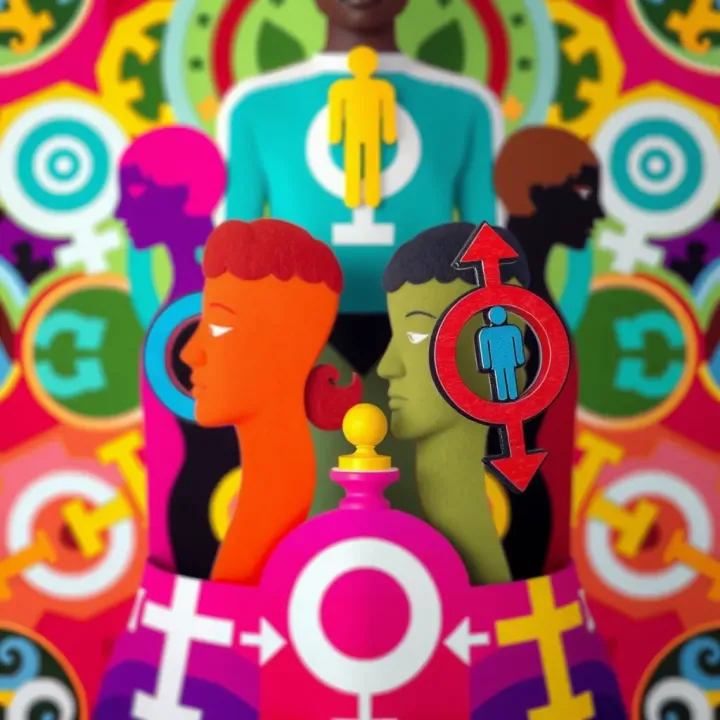
Explore what non-binary means in Kenya 🇰🇪, learn common terms, challenges faced, and why respect for gender diversity matters in our society 🌍💙.

📉 Binary trade lets Kenyan traders predict asset prices rise or fall within set time; learn how to navigate risks, regulations, and make informed choices safely.

Learn how binary options trading works in Kenya 🇰🇪⚖️, explore risks, strategies, and key facts to trade smarter and stay regulated with our clear guide.
Based on 15 reviews