
Effective Risk Management in Projects
🌍 Manage project risks effectively in Kenya's fast-paced market. Learn to identify, assess, plan, and monitor risks using proven tools for success ✅
Edited By
Victoria Shaw
Risk management is a daily challenge for businesses in Kenya, especially with the fluctuating economic environment, regulatory changes, and security concerns. A solid risk management policy helps companies put clear steps in place to identify potential risks before they cause big problems.
At its core, a risk management policy is a formal document outlining how an organisation will deal with risks that may affect its operations, finances, or reputation. It sets the tone, expectations, and responsibilities across all levels of the business, ensuring everyone understands how to spot risks, evaluate their impact, and take action.

An effective risk management policy is not a one-time document; it’s a living framework that adapts as new risks emerge and as the business grows.
Kenyan businesses, especially those in trading, investing, finance, and brokerage sectors, benefit from such policies by protecting investors’ capital, complying with local rules, and maintaining stakeholder trust. For example, a forex trading firm might face currency volatility and cyber threats — an adaptable risk policy helps it manage currency exposure while strengthening IT security measures.
Protects capital and investments: By setting clear risk limits and controls.
Supports compliance: Helps meet obligations from bodies like the Capital Markets Authority or CBK.
Improves decision-making: Provides a structured approach to assess the downside of business choices.
Enhances resilience: Prepares businesses to respond faster to shocks such as market crashes or supply disruptions.
Risk identification process: How and when risks are spotted, including financial, operational, and reputational risks.
Assessment criteria: Defining risk appetite and impact measures relevant to your sector.
Control measures: Practical steps such as diversification for investors or insurance policies for asset protection.
Monitoring and reporting: Methods for tracking risk exposure regularly, such as daily market reviews or quarterly reports.
Roles and responsibilities: Who in the company handles risk analysis, approval, and communication.
By understanding these basics, businesses can begin crafting their tailored risk management policy, ensuring they stay a step ahead of challenges and safeguard their future.
A risk management policy is the foundation that guides an organisation’s approach to handling uncertainties that can affect its operations and goals. Without a clear policy, companies often react to risks on an ad hoc basis, which can lead to inconsistent decisions and unforeseen losses. By setting out structured procedures, a risk management policy helps businesses respond proactively rather than just firefighting once problems arise.
For example, a Nairobi-based manufacturing firm might use such a policy to address supply chain delays caused by unpredictable fuel shortages. Having an established plan ensures the procurement team knows when and how to activate alternative suppliers, reducing downtime and financial strain. This proactive stance brings order to uncertainty, making the business resilient in changing environments.
The core of a risk management policy is a formal document that outlines how an organisation identifies, assesses, and responds to risks. It defines risk appetite—the level of risk the company is willing to accept—and details processes for continuous monitoring. By clearly assigning responsibilities and decision-making authority, it strengthens accountability. The policy’s purpose is to embed risk-awareness into everyday business practices, thus protecting assets, reputation, and financial health.
Simply put, the policy acts like a map and a compass for risk-related decisions, ensuring teams don’t head off in the wrong direction when challenges emerge.
Organisations of all sizes benefit from a risk management policy, but it’s particularly vital for sectors exposed to market fluctuations or regulatory pressures, such as banking, investments, and insurance in Kenya. The 2019 CBK interest rate caps, for instance, created ripple effects that financial institutions had to navigate carefully. A good policy allows firms to spot such regulatory changes early and adjust lending strategies accordingly.
Furthermore, the policy aids in safeguarding investor confidence. When investors see that a company has a robust framework managing operational, financial, and compliance risks, they’re more likely to commit capital. This trust can be crucial during tough economic times or when competing for deals on the Nairobi Securities Exchange (NSE).
A well-crafted risk management policy isn’t just a safety net—it’s a strategic tool that smooths decision-making and supports sustainable growth.
Kenyan businesses operating in the informal jua kali sector or startups can also benefit by using a risk framework that helps them understand local market risks and plan for contingencies like fluctuating raw material prices or shifts in consumer demand.
In summary, adopting a risk management policy builds resilience and informs smarter business moves, whether you’re dealing with forex volatility or local supply chain issues. This makes it an essential practice for forward-thinking businesses keen to stay competitive and compliant in Kenya’s dynamic economy.
A solid risk management policy rests on several core elements that help an organisation to identify, assess, and handle risks effectively. These elements ensure clarity, accountability, and a practical approach to reducing potential losses. For traders, investors, and finance professionals in Kenya, understanding these components is key to safeguarding investments and business continuity in a dynamic economic environment.
Risk identification is the starting point where potential threats to the organisation’s objectives are recognised. This involves scanning internal and external environments to spot risks ranging from market fluctuations, credit defaults, operational failures, to political changes affecting trade policies. For example, a Nairobi-based exporter might classify risks as financial (exchange rate fluctuations), operational (delays at the port), and regulatory (changes in export taxes). Proper classification groups risks by their nature, making it easier to assign appropriate resources and responses.
Once risks are identified, they must be assessed for their potential impact and likelihood. This step helps to prioritise which risks require immediate attention and which can be monitored over time. A common tool is a risk matrix, ranking risks from low to high based on severity and frequency. For instance, a banking institution could prioritise credit risks that can cause large financial losses over minor administrative risks. Prioritisation allows decision-makers to focus on risks that could cause the biggest setbacks and allocate resources efficiently.
After assessment, organisations craft strategies to manage risks. These may include avoiding the risk altogether, reducing its impact through controls, transferring risks via insurance, or accepting minor risks as part of business operations. Consider a stockbroker who uses hedging instruments to reduce exposure to currency risk, thereby protecting client investments. Well-defined response strategies help maintain business resilience and investor confidence.
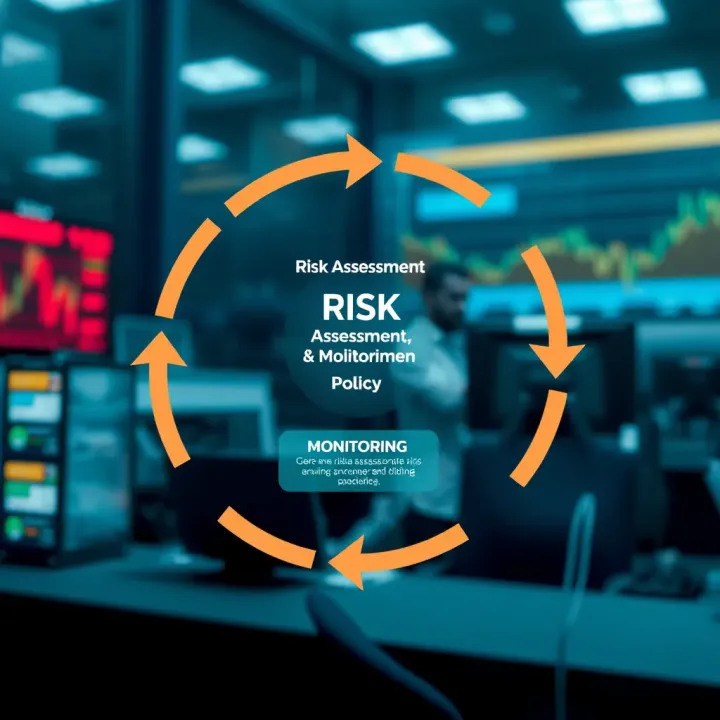
Clear assignment of roles ensures accountability. The policy should define who identifies risks, who assesses them, and who implements responses. Typically, senior management sets the risk appetite, middle managers monitor risks in their departments, and risk committees oversee the overall framework. For example, in a listed company on the Nairobi Securities Exchange (NSE), the board of directors might approve risk policies, while risk officers handle daily monitoring. Defining responsibilities prevents gaps and overlaps that could leave threats unmanaged.
An effective risk management policy turns uncertainty into manageable challenges by combining thorough identification, smart prioritisation, strategic response, and clear accountability.
Understanding these core elements allows Kenyan finance professionals to structure their risk policies in ways that align with both regulatory requirements and market realities.
Developing a risk management policy is more than just writing rules; it sets the groundwork for how an organisation treats risks daily. A clear policy helps anticipate problems, identify what could go wrong, and coordinate efforts to reduce potential harm or loss. For traders and investors, having a well-laid-out risk management policy ensures they know their exposure and can make decisions with greater certainty.
The first step involves defining the environment where the policy will apply. This means understanding the organisation’s operations, goals, and the internal and external factors that affect risk. For example, a Kenyan exporter heavily dependent on currency fluctuations around the Nairobi Securities Exchange needs a policy that takes on foreign exchange and market risks. Setting the context also involves knowing legal requirements like those from the Capital Markets Authority (CMA) and sector-specific regulations.
Engaging stakeholders early creates a risk policy that is realistic and accepted across the organisation. These stakeholders include board members, middle managers, compliance officers, and front-line staff who face the risks daily. By collecting input through meetings or surveys, you obtain diverse perspectives on what risks matter most. For instance, brokers might highlight credit risks, while finance professionals may focus on liquidity and cash flow concerns. Including this variety strengthens the policy’s relevance and practicality.
Drafting the policy means translating gathered information into a clear, structured document. It should outline the purpose of risk management, the scope of risks covered, procedures for identifying and assessing risks, and assigned roles and responsibilities. A good policy avoids jargon and sticks to clear language so every employee understands it, even those without formal finance training. After drafting, the policy needs formal approval by top management or the board. This approval signals commitment and ensures that risk management is a priority, not just a paper exercise.
A risk management policy only works if it reflects the organisation’s reality and has buy-in from everyone involved.
In practice, a Kenyan SME dealing with import delays and fluctuating fuel prices might find it essential to include contingency arrangements and supplier risk assessments. After approval, the next phases will focus on communication, training, and monitoring to embed this policy into daily business activities.
Implementing and maintaining a risk management policy is not just a tick-box exercise but a continuous process that ensures your organisation navigates uncertainties effectively. Without proper implementation, even the most well-crafted policies remain paper tigers. This phase involves engaging all levels of the organisation, promoting awareness, actively overseeing risk activities, and regularly updating the policy to keep pace with evolving threats.
Clear communication about the risk management policy sets the stage for successful adoption. In practice, every employee should understand their role in managing risks. For instance, a bank in Nairobi might hold quarterly workshops to train frontline staff on recognising fraud signals, a key operational risk. Training helps demystify technical risk terms and fosters a risk-aware culture, which is critical for organisations where many employees may not have formal risk backgrounds.
Additionally, use multiple channels—staff meetings, internal memos, and digital platforms like WhatsApp groups—to reinforce the message. Training should also cover practical scenarios, enabling staff to respond correctly in real situations. This inclusive approach prevents risks from slipping through unnoticed and encourages staff to report emerging issues promptly.
Regular monitoring ensures that risk management activities align with the policy's objectives. This involves tracking key risk indicators and evaluating the effectiveness of controls. For example, an investment firm might review daily trading activities to ensure compliance with market risk limits.
Reviews should be systematic and documented. Assign a risk officer or team responsible for compiling monthly or quarterly reports summarising risk trends and control performances. Monitoring enables early detection of gaps—like outdated credit risk assessments in a lending institution—so corrective action is timely.
Regular review sessions build organisational memory and adaptiveness, turning risk management from a one-time chore into a dynamic system.
Risks evolve with time due to technology, market shifts, or regulatory changes. The policy must therefore be a living document. For instance, the rise in cyber threats demands frequent updates to IT security protocols within the policy.
Set a review cycle—every year or after major incidents—and incorporate lessons learned from both within and outside the organisation. In Kenya, changes in data protection laws like the Data Protection Act 2019 require businesses to adjust their risk strategies to remain compliant.
Updating ensures relevance and resilience. It's wise to involve a range of stakeholders during reviews, including legal experts, to ensure all emerging risks are covered and mitigated appropriately.
Proper implementation and upkeep of risk management policies safeguard your organisation against potential losses. This ongoing commitment provides traders, investors, and finance professionals the assurance needed to make informed decisions in an uncertain environment.
Managing risks in an organisation is never straightforward. Organisations in Kenya, from SMEs to financial firms, face practical challenges when putting a risk management policy into action. Understanding these obstacles and tackling them head-on ensures that risk policies do not just exist on paper but genuinely protect the business.
One of the biggest hurdles is lack of clear communication. Staff often find risk terminology vague or abstract, leading to poor application of policy guidelines in daily operations. For example, a Nairobi-based investment firm might identify market volatility as a risk but fail to communicate how each department should adjust their decisions accordingly. Another common issue is insufficient training; without practical awareness sessions, employees may not spot risks early or know how to report them properly.
Resource constraints also limit effective risk management. Smaller businesses, especially jua kali artisans, often lack dedicated risk officers or formal systems, making risk management feel like an added burden. Additionally, inconsistent monitoring can cause risks to go unnoticed until they escalate, costing the organisation more later.
Risk management works best when everyone—from top executives to frontline staff—shares commitment. Convincing all staff of the policy’s value is essential. Leaders in Kenya’s banking sector, such as Equity Bank or KCB, regularly embed risk discussions into routine meetings, encouraging staff to voice concerns and ideas. This approach creates ownership, making staff more alert to risks.
Offering real-life examples linked to the organisation’s operations helps make risks relatable. For instance, showing how poor cash flow forecasting affected a previous project can motivate teams to follow proper procedures. Equally important is recognising and rewarding compliant behaviour, such as timely reporting of incidents, helping motivate staff and build a risk-aware culture.
Risk management should not become a roadblock to business growth. It must support rather than stall organisational objectives. Consider a trader in Nairobi’s CBD weighing the risk of fluctuating currency rates against seizing a new import opportunity. Rather than avoiding the risk entirely, the trader may use hedging or contracts to manage exposure while pursuing the goal.
This balance means policies should allow reasonable risk-taking where potential rewards justify the exposure. Setting clear thresholds and accountability mechanisms ensures decisions align with the company’s appetite for risk. This also avoids excessive bureaucracy that can frustrate operations and delay project delivery.
Addressing challenges in risk management requires a mix of clear communication, inclusive participation, and pragmatic policy design. With these, Kenyan organisations can turn risks from threats into manageable parts of their business journey.
By recognising these obstacles and actively working to overcome them, businesses can improve their resilience and ensure risk management policy delivers real value consistently.
Exploring real-world examples of risk management policies within Kenyan organisations adds practical depth to understanding how these frameworks function on the ground. Such cases demonstrate how different sectors tackle unique challenges, manage risks in varying environments, and achieve resilience despite uncertainties. These insights help traders, investors, and finance professionals appreciate how risk management is tailored, not one-size-fits-all.
Financial institutions like banks and microfinance firms face significant regulatory demands alongside operational and market risks. For instance, Equity Bank employs rigorous credit risk assessments, incorporating data from the Credit Reference Bureau to evaluate loan applicants’ repayment capacity. Beyond credit risks, they manage liquidity risks by maintaining minimum cash reserves as required by the Central Bank of Kenya (CBK). Risk policies here include continuous monitoring of market interest fluctuations and foreign exchange exposures, which is vital given Kenya’s active forex markets and trade ties.
In addition, financial firms embed anti-fraud measures, such as multi-factor authentication for digital banking platforms and transaction monitoring systems to detect irregularities. The heavy reliance on M-Pesa transactions means cybersecurity risks are a priority in these policies. Notably, the Kenya Commercial Bank (KCB) integrates risk management with strategic goals — balancing risk appetite with business expansion plans across East Africa.
Case examples from financial institutions underline the importance of blending compliance, technology, and practical risk controls to safeguard assets and client trust.
The Jua Kali sector, dominated by informal artisans and small-scale enterprises, experiences risk differently. These businesses face market volatility, inconsistent supply of raw materials, and cash flow shortages. A formal risk management policy may be absent, yet many jua kali operators use informal but effective risk strategies — like pooling resources in groups (chamas) to fund operations or emergency needs.
For example, a Nairobi metal workshop might rely on daily cash balancing and maintain flexible supplier arrangements to mitigate shortages or price hikes. Physical security risks (theft or equipment damage) are often managed through community watch efforts or makeshift fencing. Recently, some jua kali associations have started adopting basic book-keeping and safety procedures, hinting at an evolving risk culture.
This sector’s approach is very hands-on and reactive, unlike structured financial institutions. However, recognising these grassroots risk management practices is key to supporting their growth sustainably. Investors and brokers should note that capacity building around risk awareness and affordable insurance options could empower these small traders further.
While jua kali risk management lacks formal documentation, its adaptive, community-anchored methods offer lessons in resilience under resource constraints.
In summary, Kenyan organisations showcase diverse ways of managing risk depending on the sector's complexity, size, and regulation. Financial institutions invest heavily in formal risk policies aligned to laws and market demands, whereas the jua kali sector relies on community-based, practical risk handling. Understanding these examples equips professionals to tailor risk management approaches that fit the Kenyan business environment's realities and maximise protective measures without stifling growth.
An effective risk management policy is more than just a document; it is a vital tool that guides organisations in handling uncertainties that might affect their operations and financial health. For Kenyan businesses, having a clear and well-implemented risk management policy ensures not only compliance with regulatory expectations, such as those from the Central Bank of Kenya (CBK) or Capital Markets Authority (CMA), but also strengthens resilience in a competitive market. Companies that stick to best practices tend to avoid costly surprises and position themselves better for long-term growth.
Kenyan enterprises need to understand that risk management is an ongoing process, not a one-off event. First, businesses should identify risks specific to their sector — for example, a farming company must consider weather fluctuations and market price volatility, while a financial firm focuses on credit and operational risks. Second, engaging all levels of staff in risk discussions encourages a culture of alertness and quick response; for instance, a bank might run regular training on cyber risk awareness and fraud prevention.
Next, clearly defining roles and responsibilities ensures accountability. The risk officer should not be the only person thinking about risks — managers and employees must participate actively. Third, regularly reviewing the policy in line with changing market conditions and regulatory updates keeps the organisation prepared for emerging threats. Those who neglect this invite unnecessary exposure.
Successful risk management policies tie directly into business strategy, support decision-making, and protect organisational assets from foreseeable and unforeseen risks.
To maintain a strong risk management framework, Kenyan businesses should implement continuous monitoring of risks through measurable indicators. This could involve monthly risk reports or dashboards that track key risk areas such as liquidity, market changes, or compliance with laws. Also, updating risk assessments regularly following any significant event—like new regulations from the CMA or economic shifts—is critical.
Besides this, using technology tools, such as GRC (Governance, Risk and Compliance) software, helps streamline reporting and response. But equally important is fostering open communication channels where staff can raise concerns without fear. Regular audits and risk workshops further solidify the monitoring process.
Finally, top management needs to lead by example, showing commitment to risk management principles. When leadership prioritises the policy, it filters down, creating a risk-aware culture that protects the firm against shocks and supports steady business growth.
By adopting these focused approaches, Kenyan traders, investors, finance professionals, and brokers can safeguard their operations and build trust with clients and regulators alike.
🌍 Manage project risks effectively in Kenya's fast-paced market. Learn to identify, assess, plan, and monitor risks using proven tools for success ✅

📊 Learn how to identify, assess, and handle risks in Kenyan projects effectively. This guide covers planning, stakeholder roles, and tools for smooth delivery.

Discover how effective risk management shields Kenyan businesses from financial loss, ensures regulatory compliance, and strengthens operations against common threats 📊📉

Manage risks to protect your Kenyan business assets, improve decision-making, and ensure continuity despite market challenges. Learn practical risk strategies today 📉📊
Based on 13 reviews