

Why Risk Management Matters for Kenyan Businesses
Discover how effective risk management shields Kenyan businesses from financial loss, ensures regulatory compliance, and strengthens operations against common threats 📊📉
Edited By
Charlotte Reed
A risk management plan is essential for any Kenyan business or institution that wants to secure its operations against unexpected setbacks. This is more than just a document—it's a practical tool that helps spot threats early, understand their possible impact, and outline clear steps to manage or avoid losses.
In the context of Kenyan enterprises, risk can take many forms – from fluctuating forex rates affecting import costs, delays caused by matatu strikes, to shifts in county-level regulations that impact licensing. Identifying these risks is the first step; without a clear picture of what hazards lie ahead, preparing for them becomes guesswork.
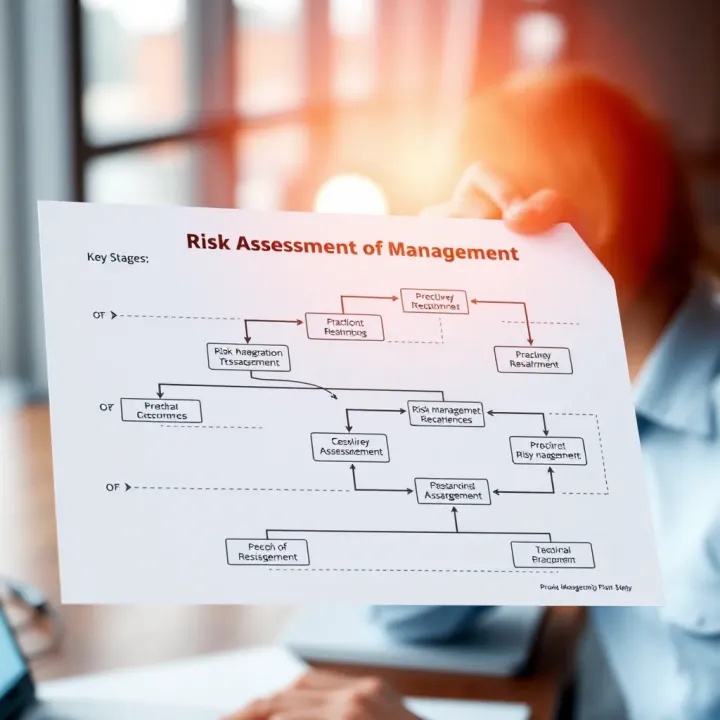
Once risks are identified, they need to be analysed for their likelihood and potential impact on the business. For example, an SME relying on imported raw materials should rate the risk of currency depreciation as high if the shilling is volatile. On the other hand, a logistics company may focus on road conditions and security issues on major transport corridors.
The next step involves deciding how to deal with each risk. Treatment options usually fall into four main strategies:
Avoidance: Stopping activities that expose the organisation to risk. For instance, a trader may avoid sourcing goods from a politically unstable region.
Mitigation: Taking measures to reduce impact, such as installing CCTV in warehouses to lower theft risks.
Transfer: Shifting risk through insurance or contracts. Kenyan firms commonly use insurance policies to safeguard against fire or business interruptions.
Acceptance: A calculated decision to bear the risk when cost or impact is low.
Effective communication and continuous monitoring are critical to keep the plan up to date. Risks evolve, and new threats can emerge, especially in Kenya's dynamic market environment. Practical risk management is like tuning a matatu’s engine regularly—if ignored, the system breaks down.
A risk management plan is not a one-off exercise but a living document guiding Kenyan businesses through uncertainties, helping them remain resilient and competitive in an ever-changing economic landscape.
By understanding and managing risks, Kenyan firms can avoid costly surprises and improve decision-making, especially in finance and investment where stakes are high. This guide sets out straightforward steps to develop and maintain a robust risk management plan that suits local realities and business needs.
Having a clear grasp of your risk management plan’s purpose is vital before putting one together. Simply put, the plan helps your business spot potential threats early, weigh up the impact, and decide on practical ways to handle them. Knowing this upfront steers your efforts, so you avoid wasting resources on irrelevant dangers and focus on those that could really affect your operations or financial health.
A risk management plan acts as a guide to navigate uncertainties. For instance, a small manufacturer in Nairobi could face supply disruptions due to import delays or political unrest. Without a plan, these events might catch the business off guard, causing production halts or losses. But with a risk management plan, they identify key risks upfront and prepare backup suppliers or safety stock. This cushioning reduces downtime and revenue loss.
Beyond shielding from shocks, such a plan helps in meeting regulatory and investor expectations. Financial firms working with the Capital Markets Authority (CMA) or banks registered with Central Bank of Kenya (CBK) must demonstrate how they manage risk. A well-documented plan not only satisfies these requirements but also builds confidence among lenders, investors, and even customers.
A risk management plan is not about avoiding all risks but managing them smartly to keep your business steady, competitive, and compliant.
Kenyan firms, whether in agriculture, retail, or services, enjoy several benefits from risk management plans. These include:
Improved Decision-Making: Understanding risk allows leadership to make choices backed by solid evidence rather than guesswork. For example, a retailer in Mombasa knowing the risks of seasonal rains can adjust stock and logistics accordingly.
Cost Savings: Identifying risks early often means addressing small issues before they balloon into costly disasters—think timely maintenance to avoid machinery breakdowns.
Business Continuity: Plans ensure critical functions carry on even when problems hit. For instance, leveraging digital payments such as M-Pesa and having backup internet providers can keep a business running during technology outages.
Enhanced Reputation and Trust: Showing stakeholders you have a grip on potential setbacks makes it easier to gain partnerships, financing, and customer loyalty.
Legal and Compliance Protection: A plan helps organisations align with Kenyan safety regulations, labour laws, and sector-specific rules, reducing fines or legal trouble.
Each of these benefits shows why a risk management plan is not just a bureaucratic exercise but a practical tool tailored for Kenyan business environments. It arms entrepreneurs and managers with the knowledge and measures to face challenges head-on and sustain growth over time.
Identifying and assessing risks is the foundation of a solid risk management plan. Before you can manage potential threats, you first need to know what they are and how serious they might be. In Kenya’s fast-changing business climate, skipping this step could leave your enterprise exposed to unexpected shocks—from political shifts to supply chain hiccups.
Gathering insights from different people within the organisation is a practical way to spot risks early. Brainstorming sessions bring together teams from finance, operations, and sales to list potential risks, both obvious and hidden. Interviews with key stakeholders, such as suppliers or even customers, deepen this view by identifying threats that might not be visible internally. For example, a Nairobi-based exporter might discover through stakeholder interviews that inconsistent forex rates heavily impact cash flow.

Looking back at previous problems helps spot patterns and avoid repeat mistakes. Companies can analyse past financial losses, delayed projects, or supplier failures to highlight areas of weakness. Industry trends, such as regulatory changes in the banking sector or shifts in consumer behaviour during economic downturns, also hint at new or evolving risks. For instance, a Kenyan dairy firm might track weather changes affecting milk supply, helping it prepare for drought effects.
Standardised risk checklists can simplify the identification process, especially for SMEs without specialist risk teams. These lists cover common risk categories: financial, operational, legal, reputational, and environmental risks. Adapting such a checklist to the Kenyan market, including local concerns like currency volatility or political unrest, gives businesses a clear framework to systematically check off potential risks.
Qualitative assessment involves describing risks in terms like high, medium, or low based on expert judgement. It’s useful when data is scarce or when dealing with non-numerical risks like reputation damage. Quantitative assessment, on the other hand, uses numbers—such as expected financial loss or probability percentages—to measure risks. Kenyan financial firms often blend both approaches, using qualitative insights to flag risks but backing decisions with quantitative models reflecting market data.
A risk matrix visually plots the likelihood of a risk occurring against its impact, helping prioritise which risks need urgent attention. This tool can quickly highlight “red zone” risks that demand immediate action from less critical ones. For example, a transport company might rank the risk of vehicle accidents as high likelihood with high impact, while a delayed invoice payment might rank as medium on both scales. Using a risk matrix keeps focus on issues that can disrupt operations or finances most.
A thorough risk identification and evaluation process ensures your resources target real threats effectively, saving time and money.
By following these steps, traders and financial professionals in Kenya can better foresee challenges and build resilience. Understanding where risks lie and how likely they are sets the stage for choosing the best ways to manage them.
Selecting the right risk response strategies is a vital step in risk management, as it determines how a business manages identified risks to protect its assets and ensure continuity. For traders, investors, and finance professionals in Kenya, making informed decisions on risk response can mean the difference between sustaining losses and maintaining profitability. The choice of strategy depends on the nature of the risk, its potential impact, and the cost-effectiveness of the response.
Risk avoidance involves steering clear of activities that bring significant threats to the business. For example, a small export company might avoid markets with unstable political situations to reduce chances of loss. On the other hand, risk reduction aims to lessen the likelihood or impact of risks through preventive measures. A bank, for instance, may upgrade its cybersecurity systems to reduce the chances of data breaches, protecting customers and the institution's reputation. By proactively managing risks through avoidance or reduction, businesses limit exposure and create a more stable environment for operations.
Insurance remains one of the most effective methods for transferring risk in Kenyan businesses. Companies can choose from various policies such as business interruption, fire, theft, and liability insurance offered by local providers like Jubilee Insurance, Britam, and Madison. For example, a manufacturing firm can purchase fire insurance to cover damages caused by accidental fires, ensuring financial support for repairs or replacement without directly bearing the full loss.
Insurance protects companies against unpredictable losses and supports quicker recovery. However, it’s critical to evaluate the coverage terms carefully and choose policies that match specific business risks while considering premiums within budget. The Kenya Insurance Regulatory Authority (IRA) also sets guidelines to safeguard both insurers and clients.
Beyond insurance, businesses in Kenya often manage risk by shifting it through contracts. This is common in supplier agreements, construction contracts, or service outsourcing deals. For example, a real estate developer may include clauses requiring contractors to carry their own insurance or take responsibility for damages caused during works.
Contractual transfers offer a clear division of responsibilities and reduce direct exposure. Still, it demands careful drafting to avoid loopholes or disputes later. Legal advice helps ensure that contracts distribute risks appropriately and protect business interests.
Some risks cannot be fully avoided or transferred, especially if their cost to eliminate is higher than the potential loss. In such cases, risk acceptance becomes a practical approach. A small retail business, for instance, might accept minor theft losses as part of daily operations.
Contingency planning complements this by preparing the business for when risk events occur. Setting aside emergency funds or developing backup supply chains allows quick response without derailing operations. For example, an investor might maintain a cash reserve to capitalise on sudden market opportunities or weather downturns.
Choosing the right risk response is about balancing cost, impact, and business priorities. It’s a continuous process of adaptation as risks and environments evolve.
In sum, effective risk response strategies blend avoidance, reduction, sharing, acceptance, and contingency planning tailored to the unique challenges Kenyan businesses face. Practical application of these strategies protects investments, supports growth, and builds resilience over time.
Rolling out the risk management plan is where theory meets practice. For traders, investors, and finance professionals, implementation ensures that identified risks are handled promptly and resources are efficiently used. Clear communication is just as vital, as it keeps everyone informed and aligned on the risk landscape. Without effective implementation and communication, even the best-laid plans risk gathering dust.
Assigning clear responsibility avoids the usual blame game and confusion during a crisis. It’s important that each risk identified has a designated owner to track and manage it. For instance, a portfolio manager might oversee market risks, while compliance officers handle regulatory risks. Assigning resources such as budget, staff time, and tools should match the complexity and likelihood of each risk. For example, a brokerage firm could allocate funds to set up continuous market surveillance software to flag suspicious trading activities.
Clear accountability means setting deadlines and performance indicators to measure progress. Regular check-ins ensure that those responsible don’t lose track or misunderstand their roles. When resources are properly allocated, teams can respond quickly, preventing small risks from snowballing into major issues.
Risk management succeeds only when everyone affected understands its importance and their role. Staff engagement across levels builds a risk-conscious culture. In practice, this means regular training workshops tailored to departments such as sales, trading, or back-office operations. For example, a finance firm might conduct quarterly sessions where traders review recent risk incidents and share lessons.
Stakeholders outside the core team, like clients or regulators, also need updates. Transparent communication builds trust and can pre-empt questions or concerns. For instance, an investment company informing clients about heightened geopolitical risks affecting portfolios helps manage expectations and reduces surprises.
Inclusive engagement also captures valuable insights from those on the frontlines, who often notice emerging risks earlier than management.
Technology offers tools that make risk tracking more precise and efficient. In Kenya, where digital adoption is rising fast, leveraging software helps firms stay ahead. Risk management platforms can aggregate data from various sources—market feeds, compliance reports, or client feedback—and flag anomalies in real time.
For example, a financial institution might use automated dashboards that update risk scores and alert managers of critical changes. Mobile accessibility means staff can respond quickly even when away from the office. Besides monitoring, technology aids documentation, ensuring audit trails comply with regulatory demands from bodies like the Capital Markets Authority (CMA).
Regularly updating and communicating risk information through technology reduces guesswork and speeds decision-making, crucial in fast-moving markets.
In summary, practical rollout of the risk management plan demands clear roles, active participation from all involved, and smart use of technology. Kenyan finance professionals who prioritise these elements make their risk plans not just documents but living tools guiding smarter, safer business decisions.
Continuous monitoring and regular reviewing of a risk management plan ensure the measures stay relevant and effective. For traders, investors, and finance professionals, risks evolve with market volatility, regulatory changes, and operational shifts. Monitoring keeps risks on the radar, while timely updates adapt the plan to new challenges. For example, changes in CBK policies or NSE listing requirements can impact financial risks and require adjusting mitigation strategies accordingly.
Regular risk audits act like health check-ups for your risk plan. These audits involve assessing whether identified risks remain valid, mitigation measures are functioning, and no new risks have slipped through. In a Kenyan context, risk audits can include periodic reviews of counterparty credit risk in lending or market risks in equity portfolios. Feedback loops from staff or stakeholders, such as traders and analysts, help spot emerging risks or weak spots in procedures early. This process reduces surprises and sharpens the organisation’s response over time.
Audit findings should inform updates, with clear documentation and assigned tasks. For instance, if a risk audit reveals gaps in IT security controls affecting client data, the plan must incorporate stronger cyber risk measures. Feedback loops can also come from daily market reports or client feedback, enabling short-cycle risk management adjustments rather than waiting for quarterly reviews.
Keeping open channels for feedback ensures the risk management plan evolves with changing realities instead of gathering dust on a shelf.
The business environment in Kenya shifts due to factors like new regulations, economic trends, technological advances, or socio-political developments. Responding swiftly to these changes is critical. Suppose new Central Bank regulations affect liquidity requirements—this will influence how financial institutions handle liquidity risk within their plan. Or county government tax policies might shift, affecting operational costs for SMEs; the plan must adjust accordingly.
Adaptation involves reviewing external and internal factors regularly and understanding their implications for existing or potential risks. Traders need to track market sentiment influenced by regional events, while investors might reconsider portfolio allocations based on macroeconomic shifts. Updating risk strategies promptly also helps in staying compliant and avoiding penalties.
In practice, this means setting scheduled reviews but remaining flexible for ad hoc updates when unexpected changes occur. Embedding agility into the risk management plan allows Kenyan businesses to withstand shocks and seize opportunities as the environment evolves.
An effective risk management plan is not a set-and-forget document. Its strength lies in active monitoring, honest feedback, and adapting swiftly to the Kenyan business context to safeguard assets and support growth.
Discover how effective risk management shields Kenyan businesses from financial loss, ensures regulatory compliance, and strengthens operations against common threats 📊📉

🔍 Learn strategic risk management to help Kenyan organisations spot and handle risks affecting long-term goals. Discover practical steps, leadership roles, and best practices.
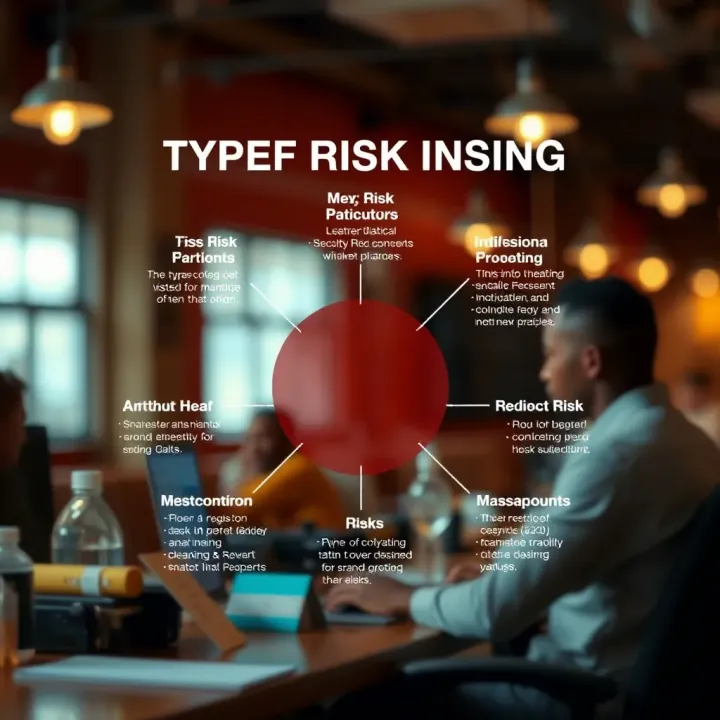
📊 Understand risk management, its types, and methods to handle business and everyday risks in Kenya. Learn practical tips to protect your interests locally.
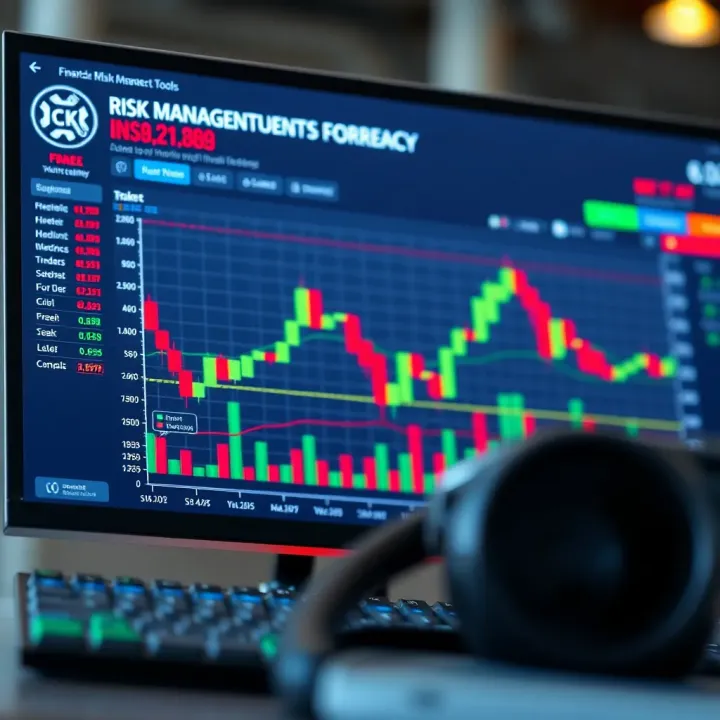
Master forex risk management in Kenya 🇰🇪 with tips on setting limits, stop-loss orders, and position sizing to protect your investments confidently 💹.
Based on 11 reviews