

Forex Trading Guide PDF for Kenyan Traders
📘 Get a practical PDF guide to forex trading for Kenyan traders. Understand markets, key terms, strategies, risk management & local tips for success.
Edited By
Henry Mitchell
Forex trading has gradually gained traction among Kenyan traders, offering avenues to diversify investments beyond traditional stocks and real estate. However, mastering forex requires a solid understanding of market dynamics, strategies, and risk management. This is where PDF resources can help save time and provide structured learning.
Many Kenyan traders find PDF guides practical because they allow easy offline access, ideal for those balancing busy schedules or limited data availability. You can study core forex concepts anywhere—whether on a matatu ride or during downtime at home.

A well-structured forex PDF typically covers essentials like currency pairs, order types, leverage, and how global events influence rates. More advanced PDFs move into technical analysis tools such as moving averages and RSI (Relative Strength Index), guiding how to interpret charts for better trade timing.
Accessing reliable and locally relevant PDF materials can be a challenge. Kenyan traders should prioritise sources that align with our market realities—such as considering how M-Pesa influences online trading deposits and withdrawals.
Besides core knowledge, PDF trading guides often share real examples, helping you connect theory with practical decisions. For instance, understanding how news from the US Federal Reserve impacts USD/KES rates can prepare you for market moves.
When you combine these PDF insights with trusted Kenyan fintech platforms, your trading becomes more streamlined. Most online brokers familiar to Kenyans accept M-Pesa payments, enabling fast deposits and withdrawals. Keeping PDFs handy lets you refresh strategies before executing trades on platforms like IQ Option or ForexTime (FXTM).
In summary, good forex PDF resources act as both textbook and cheat sheet—especially when integrated with Kenya’s mobile-money-driven trading ecosystem. For anyone looking to sharpen forex skills while staying practical and economical, these guides are a solid starting point.
Understanding the basics of forex trading is essential for any Kenyan trader wanting to tap into the global currency market confidently. Forex involves trading one currency for another, and knowing the mechanics behind this helps in making informed decisions, minimising risks and maximising profits. From learning how exchange rates move to recognising key trading terms, grasping these fundamentals lays a solid foundation for successful trading.
Forex trading always happens in pairs, such as USD/KES or EUR/USD. The first currency is the base currency, and the second is the quote currency. Exchange rates show how much of the quote currency you need to buy one unit of the base currency. For example, if USD/KES is 110, it means you need 110 Kenyan shillings to get one US dollar. Understanding these pairs is vital because profits or losses come from changes in the exchange rate.
The forex market never really sleeps; it runs 24 hours from Monday to Friday, following the sun across major financial centres. Key players include commercial banks, central banks like the Central Bank of Kenya, hedge funds, retail traders, and brokers. Knowing when the market is most active—often during London and New York overlapping hours—helps Kenyan traders time their orders better and avoid trading when the market is thin and more prone to sudden price jumps.
A pip is the smallest price movement in a currency pair, often 0.0001 in most pairs. For example, if USD/KES moves from 110.00 to 110.01, that’s one pip. A lot defines the trade size; a standard lot is 100,000 units of the base currency, but traders often start with mini (10,000) or micro lots (1,000) due to capital constraints. Leverage is borrowed money from the broker that lets you control bigger positions with less capital, say 1:100 leverage means you control KSh 100,000 with KSh 1,000. But be cautious—while leverage can magnify gains, it can also amplify losses. Margin is the money you need to keep in your account to open and maintain a leveraged position.
The spread is the difference between the buying (bid) and selling (ask) price of a currency pair. It’s basically the broker’s fee and impacts profit margins. For instance, a tight spread on USD/KES means less cost to enter or exit trades. Slippage happens when an order executes at a different price than expected—common during volatile news or low liquidity times. For Kenyan traders using platforms linked with M-Pesa or local banks, being aware of slippage helps prevent surprises, especially when trading with small margins.
Mastering these basics through reliable PDFs equips you with a clear picture of the forex market’s workings. This knowledge improves your ability to read market signals and manage trades effectively, turning learning into practical trading outcomes.
PDF guides play a key role in helping Kenyan traders grasp forex trading essentials without the distractions often found on web platforms. They offer a reliable way to study at your own pace and revisit important points whenever necessary. Many beginners find PDFs handy as they don’t require constant internet, which can be patchy outside Nairobi or during heavy rains.
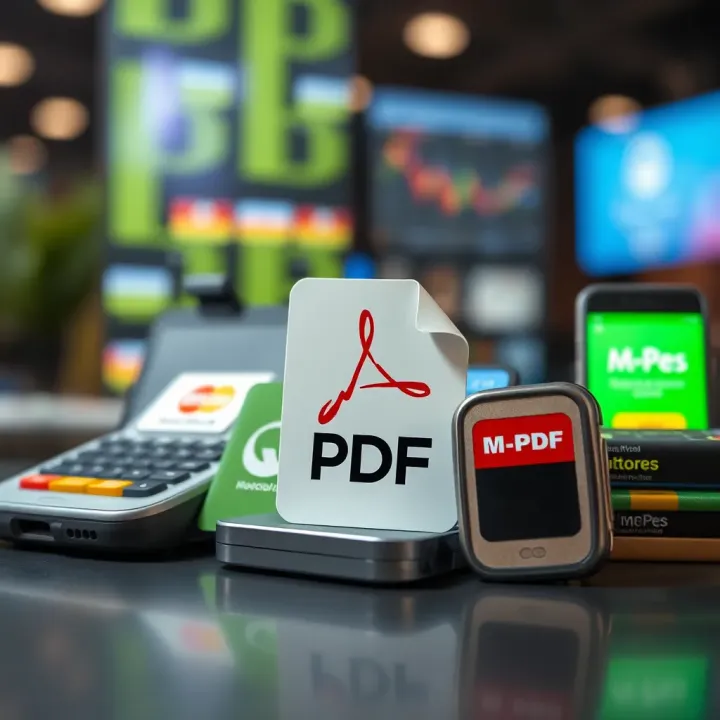
PDFs let you study forex trading even when you’re offline — for example, in rural areas or during power outages. You can keep these resources saved on your phone or laptop and review them anywhere, whether you're in a matatu on the way to work or at a kiosk waiting for your turn. This flexibility means learning forex doesn’t have to stop just because of network or electricity issues.
Unlike scattered blog posts or videos, PDF guides tend to organise information in a consistent, step-by-step way. Kenyan beginners benefit from this structure as it builds understanding progressively, covering basics before moving to more advanced topics like risk management. For example, a PDF might first explain what a pip is, then how that affects your trade, maintaining clarity throughout.
Many regulated brokers operating in Kenya offer quality PDF materials for free on their websites. These guides often include localised tips, like how to fund your account using M-Pesa or how to navigate platforms popular in Kenya such as MetaTrader 4 or 5. Using broker-approved PDFs helps avoid unreliable information and provides insight tightly linked to actual trading steps.
Platforms like BabyPips or Investopedia often provide downloadable PDFs for beginners. These are globally respected and can complement Kenya-specific materials by covering universal trading concepts. While these may not mention M-Pesa or CMA (Capital Markets Authority) regulations, they offer foundational knowledge essential before applying local tools.
Look out for materials published by trusted Kenyan bodies like the CMA, Central Bank of Kenya (CBK), or major banks. These might discuss forex trading risks, regulatory requirements, or payment security in Kenya’s context. Such PDFs ensure you’re aligned with local rules and protections, which is vital before committing real money.
Forex markets and regulations evolve constantly. Always check the publication date on a PDF guide. For instance, a PDF from 2010 may miss changes like CMA’s latest investor protection measures or new M-Pesa payment features. Updated materials help you avoid outdated practices that could lead to losses.
Before relying on a PDF, research the author or source. A guide written by a recognised forex analyst or a trained financial expert is more trustworthy than anonymous downloads found on social media. Kenyan broker websites usually highlight author credentials or expert affiliations clearly.
Some PDFs might claim guaranteed profits or promote risky trading without warning about losses. Always be sceptical of guides promising easy money. Verify facts against multiple reputable sources, especially those focused on Kenyan market conditions and regulations.
Reliable PDFs don’t just teach you how to trade; they prepare you for real challenges and align with local realities like payment integration and regulatory compliance.
Keeping these points in mind will help Kenyan traders use PDF resources effectively and reduce the risk of falling prey to poor or outdated forex content.
Understanding core forex trading strategies through PDF resources can make a huge difference, especially for Kenyan traders starting out. PDFs often break down complex ideas into clear, bite-sized pieces, allowing you to learn at your own pace. They typically cover essential strategies like technical and fundamental analysis, plus risk management—each vital for making informed trade decisions.
Charts are the bread and butter of technical analysis. They visually represent price movements over time and help traders spot potential entry and exit points. Indicators like Moving Averages or the Relative Strength Index (RSI) add layers of insight by measuring momentum or trend strength. For instance, a Kenyan trader might notice an upward trend in the USD/KES pair using these tools, signalling a possible good time to buy.
Recognising trends—whether upward, downward, or sideways—helps traders know the market’s general direction. Patterns such as head and shoulders or double tops tell you when a trend might reverse or continue. These insights can guide you on when to hold or close positions, avoiding costly mistakes. PDFs usually present these patterns with diagrams, which is especially helpful for beginners trying to grasp their practical use.
Fundamental analysis focuses on the economic events that affect currency values. Kenyan traders must keep an eye on global economic releases like US employment data or inflation rates because they directly affect forex pairs involving the shilling. For example, a strong US jobs report might strengthen the dollar against the shilling, altering your trade setups.
Interest rate decisions by central banks such as the Federal Reserve or Kenya’s Central Bank can shift forex markets drastically. A rise in interest rates usually attracts foreign capital, boosting a currency's value. Besides policy, events like trade wars or political unrest can cause sudden price moves. PDFs typically explain these impacts with real-life cases, helping you anticipate market reactions better.
One of the surest ways to protect your capital in forex trading is using stop-loss and take-profit orders. A stop-loss caps your loss by closing a position automatically once the price hits a certain level. Likewise, a take-profit locks in gains when your target price is reached. For Kenyan traders on a tight budget, mastering these can prevent a single bad trade from wiping out weeks of effort.
Position sizing is about how much money you commit per trade, balancing potential rewards against risks. This is especially important given the volatility of currency pairs like USD/KES or EUR/KES. Using PDF guides, you learn practical formulas to calculate position size based on your account size and risk tolerance. For example, risking 1% of your trading capital per trade can help preserve funds across both profitable and losing trades.
Accurate strategy and solid risk control are the backbone of successful forex trading—and PDF guides present these in a straightforward way for Kenyan traders to apply confidently.
Each of these strategy components, when digested through clear PDF guides, equips you with tools to trade smarter and avoid guesswork. That’s the real value for traders here, blending knowledge with practical steps to succeed in Kenya’s forex market.
Kenyan traders can gain a significant edge by combining PDF learning resources with hands-on forex trading. While PDFs offer a solid foundation on trading principles, strategies, and risk management, practical application helps cement that knowledge. Bringing theory and practice together improves understanding and builds confidence, making it easier to navigate Kenya's unique trading environment.
Regulatory Considerations with CMA Kenya
When picking a forex broker, the first thing to check is whether that broker is regulated by the Capital Markets Authority (CMA) of Kenya. The CMA ensures brokers meet minimum standards for transparency and customer protection, reducing the risk of fraud. For instance, many brokers licensed to operate in Kenya follow CMA’s rules which also safeguard traders’ funds through segregation accounts. This approval adds legitimacy and gives Kenyan traders legal recourse if problems arise.
Payment Methods Including M-Pesa Integration
Kenyan traders often prefer brokers who support M-Pesa because it is the most widely used mobile money service here. Brokers with seamless M-Pesa deposit and withdrawal options simplify funding accounts and cashing out profits without needing bank transfers. This convenience is vital, especially in regions where traditional banking may be slow or less accessible. Besides M-Pesa, brokers may also accept bank cards and bank transfers, but integration with mobile money channels is critical for smooth operations in Kenya.
Trading Platforms Supported
Your choice of broker should also offer reliable and user-friendly trading platforms. MetaTrader 4 (MT4) and MetaTrader 5 (MT5) remain favourites among Kenyan traders due to their powerful charting tools and customisation options. Some brokers also provide mobile apps compatible with Android and iOS, important for traders who rely on smartphones. The availability of web-based platforms adds flexibility to trade from different devices. It's best to choose brokers supporting platforms you’ve learned about in your PDF guides so you can apply strategies directly.
Applying Knowledge Gained from PDFs
Demo accounts let you practise real forex trades using virtual money. They're an excellent place to apply what you study in PDF materials without risking your capital. For example, if you read about technical indicators or risk management in PDFs, you can test these concepts in demo before using them live. The hands-on experience helps clarify concepts that might seem complex on paper.
Testing Strategies Without Financial Risk
Every trader must test different strategies to see what fits their style and market conditions. Demo accounts provide a risk-free environment to do this repeatedly until you find what works. You can try entry and exit points, experiment with stop-loss and take-profit orders, or even track different currency pairs relevant to the Kenyan shilling's volatility. This way, mistakes don’t cost money and your confidence grows steadily.
Start Small, Scaling with Experience
When you move from demo to live trading, start with a small amount of capital. This approach reduces potential losses while you get used to real market emotions like fear and greed that don’t appear in simulations. For example, begin trading with an amount you are comfortable losing, such as a few thousand shillings, then increase as your skills and confidence improve.
Monitoring Performance and Continuous Learning
Successful forex trading demands constant review of your trades and ongoing education. Keep a trading journal to record your decisions, outcomes, and lessons learned. Continue revisiting PDF guides and update yourself with market news and new strategies. Kenyan traders can benefit from forums and webinars offered by brokers or financial educators, combining fresh insights with the solid base built from PDFs.
Integrating PDF guides directly with practical trading tools and local broker services makes the whole forex learning process more effective and tailored to Kenyan realities. This matchup is key for growing from a beginner to a proficient trader.
📘 Get a practical PDF guide to forex trading for Kenyan traders. Understand markets, key terms, strategies, risk management & local tips for success.
Explore forex trading in Kenya 🇰🇪 with local platforms, KRA regulations, practical tips, and unique challenges. Learn how to trade smartly and grow your income.

🤖 Learn how forex trading robots work, their pros and cons, and legal tips for Kenyan traders. Master the tools to boost your forex trading success with confidence.

📈 Discover how forex trading works in Kenya, practical steps to start, local payment options like M-Pesa, safety tips and risks to trade confidently.
Based on 8 reviews