

Why Risk Management Matters for Kenyan Businesses
Discover how effective risk management shields Kenyan businesses from financial loss, ensures regulatory compliance, and strengthens operations against common threats 📊📉
Edited By
Oliver Hastings
Risk management is not just a checkbox on corporate agendas—it's an ongoing process that Kenyan businesses must embed if they want to protect their operations and remain competitive. Traders, investors, brokers, and analysts all face uncertainties daily. Knowing how to identify, assess, and control these risks can save millions of shillings and preserve reputations.
Effective risk management begins by understanding the specific threats your organisation faces. These may range from market fluctuations and regulatory changes to operational hiccups and emerging threats like cyberattacks. For example, a Nairobi-based exporter might face exchange rate volatility impacting their profits, while a local bank may need to guard against fraud and compliance risks.
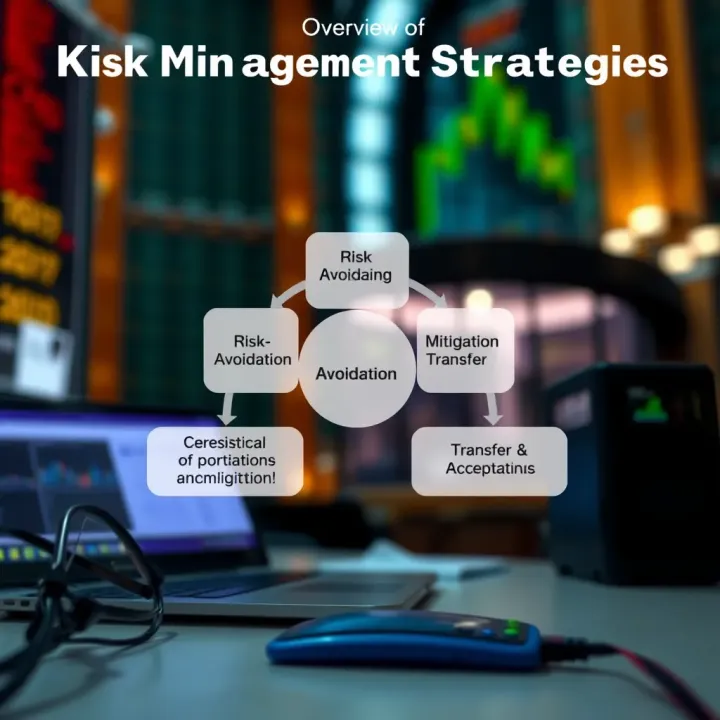
Once risks are identified, assessing their likelihood and potential impact becomes the next step. This involves quantitative techniques like scenario analysis and qualitative methods such as expert judgement. A Kenyan agricultural firm, for instance, might use rainfall pattern data combined with farmer insights to estimate drought risks affecting supply chains.
Controlling risks typically falls into four categories:
Risk avoidance: Steering clear of risky ventures, say, a trader avoiding volatile commodities during unstable political periods.
Risk mitigation: Taking measures to reduce impact, such as implementing stronger cybersecurity protocols in a fintech company.
Risk transfer: Shifting risk to a third party, like buying insurance or outsourcing non-core business processes.
Risk acceptance: A calculated choice to endure certain risks due to cost-benefit considerations.
Regular monitoring and a responsive organisational culture are key to staying ahead. Business environments shift quickly, especially in Kenya’s dynamic sectors, so continuous review of risk profiles ensures no surprises.
In Kenyan context, practical tools like risk registers, contingency planning, and adopting frameworks such as ISO 31000 help maintain structure. For example, an SME in Mombasa might use simple risk registers to track supplier reliability and plan alternatives during supply disruptions.
By understanding these pillars, finance professionals and market players can make informed decisions that protect assets and strengthen business resilience. The goal is not to eliminate risk altogether—that would be impossible—but to manage it smartly and stay ready for whatever comes next.
Understanding risk is a starting point for any organisation that wants to stay afloat and grow steadily. Without a clear grasp of the risks it faces, a business might miss warning signs that could lead to financial loss, operational failure, or damage to its reputation. For instance, a small Nairobi-based firm that overlooks currency fluctuation risk could find itself suddenly paying far more for imported goods than budgeted, impacting profitability.
By understanding the various types of risks and their potential impact, decision-makers can prioritise resources and strategies effectively. This saves money, minimises surprises, and builds resilience against shocks—whether economic downturns, supply chain disruptions, or regulatory changes.
In business terms, risk is the possibility that an event or decision will result in loss or fail to meet expected outcomes. It could be anything from losing a client contract to an unexpected increase in raw material prices. Risk is not necessarily negative—a project might also face the chance of an unexpected win, but that upside is usually harder to plan for.
The key is evaluating risks in relation to a company’s goals and operations. Since risks vary widely depending on industry, size, and location, understanding risk means tailoring assessments to what actually matters for the business.
Financial risks revolve around potential losses in money. For example, a firm might deal with credit risk when customers delay payments or default entirely. Currency risk affects importers when the shilling weakens against the dollar, increasing costs unexpectedly. Changes in interest rates can also raise borrowing expenses, squeezing cash flow especially for companies relying on loans from banks like KCB or Equity Bank.
Managing financial risks often calls for close monitoring of market conditions and maintaining good relationships with lenders and customers. Practical tools like cash flow forecasting and credit checks reduce exposure to surprises.
Operational risks stem from internal processes and day-to-day activities. These might include machinery breakdown at a manufacturing plant in Thika or IT system failures in a fintech startup in Nairobi. Staff errors, inadequate training, or even petty theft can disrupt operations.
Handling operational risk means putting controls in place—regular maintenance schedules, staff training programmes, and robust internal audits are examples. Technology also offers solutions, such as automation to reduce human error or CCTV systems to boost security.
Strategic risks arise from decisions that affect the long-term direction of a company. Suppose a retailer decides to enter a new region without thorough market research and ends up with warehouses full of unsold stock; this reflects a strategic risk.
In Kenya’s dynamic business environment, rapid changes—like new competition entering the market or shifts in consumer preferences—make strategic risk management vital. Organisations need clear strategies supported by solid data and flexible enough to adjust as circumstances change.
These risks come from failing to follow laws, regulations, or contractual obligations. For Kenyan businesses, this includes tax compliance with KRA, environmental regulations, labour laws, and industry-specific requirements.
Non-compliance can result in fines, legal action, or licence revocation, all of which can cripple a business. Staying on top of regulatory changes and conducting regular compliance audits reduces such risks.
A company's reputation shapes client trust and partner confidence. An incident such as a product recall, poor customer service experience, or negative media reports can damage reputation swiftly. For example, an online retailer like Jumia Kenya facing repeated delivery delays risks losing customer loyalty.
Managing reputational risk means maintaining quality standards, transparent communication, and prompt response to complaints. Social media presence now adds another layer where reputations can be won or lost quickly.
When an organisation neglects risk management, it often faces costly disruptions. Financial losses could spiral beyond control, operations falter, and confidence from customers and investors erodes. For example, a Nairobi bank experiencing IT failures without adequate backup systems can lose sensitive client data, triggering regulatory penalties and customer flight.
Ultimately, poor risk management can push even strong businesses into insolvency. On the other hand, effective risk identification and control help build trust, encourage investment, and support sustainable growth.
Understanding risk thoroughly is not just about avoiding losses but about making informed decisions that support a company’s success in a challenging and changing market.
Spotting risks early and understanding their potential impact are vital steps in effective risk management. Without clear identification and precise evaluation, organisations, especially those operating in dynamic sectors like finance or trade in Kenya, may find themselves blindsided. These techniques help businesses anticipate challenges ranging from fluctuating forex rates to sudden regulatory changes.

Collaborative sessions involving stakeholders from various departments allow diverse perspectives to highlight possible risks. For example, a finance team might pinpoint exposure to currency volatility, while the operations team raises concerns about supply chain interruptions. These workshops encourage open discussion, enabling a broad list of risks to emerge before they escalate.
Bringing in specialists, whether legal advisors, industry veterans, or financial consultants, offers insights that internal teams might miss. For instance, a seasoned risk consultant could warn about upcoming policy shifts by the Central Bank of Kenya that might impact lending rates. Such expert opinions strengthen risk foresight and add depth to evaluation.
Reviewing past events and data trends helps spot recurring risks and their outcomes. A Kenyan investment firm might analyse previous market downturns to prepare better for future volatility. Understanding patterns like seasonal consumer behaviour can also alert retailers to potential sales slumps or demand spikes.
This method plots risks by their likelihood against their potential damage, creating a visual guide for prioritisation. If a risk like power outages in Nairobi is highly likely but causes moderate disruption, it’s treated differently than a rare fraud incident with massive financial fallout. This clarity helps decision-makers focus on what matters most.
A risk matrix offers a straightforward tool to categorise risks based on severity and probability. For example, a stockbroker could use a matrix to classify risks like client default or market crashes, helping choose suitable response plans quickly. This approach balances complexity with usability, ideal for fast-paced trading environments.
This approach quantifies how likely a risk is and what damage it could cause, using numerical scales or percentages. For instance, a logistics company might estimate a 30% chance of delays due to road closures during the rainy season, with financial losses estimated at KSh 500,000. Quantifying helps businesses allocate resources effectively for mitigation measures.
Advanced models such as Value at Risk (VaR) or Monte Carlo simulations use historical data and probability to forecast potential losses. Kenyan banks and investment firms employ these tools to measure risk exposure and prepare capital buffers appropriately. Though more complex, these models provide precise estimations critical in high-stakes financial decisions.
Early and accurate risk identification combined with thorough evaluation equips businesses to make informed choices, helping safeguard assets and maintain steady growth in uncertain environments.
Managing risk effectively means having clear strategies that guide how a business responds to potential threats. These core strategies—avoidance, reduction, transfer, and acceptance—play a key role in minimising negative impacts and keeping an organisation stable. Kenyan businesses, especially SMEs and investors, can benefit greatly when these strategies are applied thoughtfully.
Risk avoidance involves altering business plans to steer clear of activities likely to bring problems. For example, a Nairobi-based exporter might avoid trading with regions known for political instability or unreliable logistics. This approach saves resources that would otherwise be spent handling negative consequences. However, avoidance isn’t always possible, especially if risks come with potential rewards, so businesses must balance caution and opportunity.
Preventive measures focus on putting controls in place to minimise the chance of risks occurring or reducing their severity. A Kenyan manufacturing firm, for instance, might install fire suppression systems and conduct regular equipment maintenance to avoid costly downtime. These tangible actions cut down on operational risks without stopping the business’s core activities.
A well-informed team is a strong defence against risk. Regular staff training equips employees with skills to spot and handle potential issues early. For example, banks in Kenya run compliance workshops so their teams understand anti-money laundering rules, reducing legal and regulatory risks. Awareness campaigns also encourage a culture of responsibility where every staff member feels accountable for risk management.
Modern technology offers tools that detect risks faster and improve control systems. In Kenya, companies use automated inventory management and e-commerce platforms to reduce errors and fraud. Automation can alert managers to unusual transactions or supply chain disruptions in real time, letting them act before problems escalate. Such technology is especially valuable for growing enterprises wanting to scale safely.
Insurance remains a primary way for Kenyan businesses to transfer certain risks. Common types include fire and theft insurance, professional indemnity, and business interruption cover. For instance, a retailer in Mombasa might insure stock against theft to avoid heavy losses. Insurance spreads the financial burden to the insurer, protecting the company’s cash flow.
Risk transfer lowers direct exposure but doesn’t eliminate risk entirely. Policies may have exclusions and limits, and premiums can be costly, especially for small businesses. Outsourcing certain functions, like IT support, can also transfer operational risk to specialists, but it might lead to reliance on third parties and potential loss of control. Careful contract management and insurance understanding are key.
Sometimes, businesses decide the cost of avoiding or transferring a risk outweighs the impact if it occurs. Accepting risk makes sense when risks have low probability or minor consequences. For example, a Nairobi trader might accept occasional stock losses due to spoilage instead of investing heavily in cold storage. The key is understanding exposure and capacity to absorb losses.
Contingency planning supports risk acceptance by preparing for potential issues. It's about having backup plans and resources ready. A Kenyan hotel, expecting power outages, might install generators and train staff on emergency protocols. This preparedness keeps operations going under stress and reduces recovery time after an incident.
Successful risk management combines these strategies tailored to the business context. Kenyan investors and traders who use avoidance, reduction, transfer, and acceptance wisely build resilient enterprises ready to withstand shocks.
Organisations that effectively manage risk do so by relying on established tools and frameworks. These provide a structured approach to identify, assess, and address risks consistently. Having clear frameworks helps businesses avoid guesswork, ensuring every risk gets attention based on its potential impact. In the Kenyan business landscape, where uncertainty can come from multiple sources—be it market volatility, regulatory changes, or supply chain disruptions—tools and frameworks offer a practical guide to navigating these challenges.
ISO 31000 is an internationally recognised standard for risk management that sets out principles and guidelines applicable across industries. It emphasises integrating risk management into all organisational activities, from strategic planning to daily operations. For Kenyan firms, adopting ISO 31000 means creating a common language around risk, which can improve decision-making and make compliance with local and international regulations easier.
The standard encourages continuous improvement through a cyclical process: risk identification, analysis, evaluation, treatment, and monitoring. For example, a Nairobi-based manufacturing firm applying ISO 31000 would regularly review its risks associated with raw material supply delays and adjust its procurement strategy accordingly. This adaptability supports long-term resilience in fluctuating market conditions.
The Committee of Sponsoring Organisations (COSO) developed a framework primarily focused on enterprise risk management (ERM) within organisations. COSO outlines how risk influences an entity’s objectives, emphasising internal controls and governance. It guides businesses to understand risks in the context of strategy, operations, reporting, and compliance.
Kenyan banks and listed companies often use the COSO framework because it aligns well with financial reporting standards and regulatory expectations from bodies like the Capital Markets Authority (CMA). By adopting COSO, firms can better identify financial and operational risks, enhancing transparency and investor confidence.
In today's fast-paced world, software tools help businesses track and manage risks in one place. Platforms like Resolver, LogicManager, or localised tools integrate data from various departments to provide a clear picture of potential threats. For Kenyan SMEs, using risk tracking software simplifies compliance with regulations such as KRA tax filings or NHIF requirements by flagging issues early.
These tools allow assigning ownership to specific risks and tracking mitigation actions. For example, a Kenyan retailer using such software can monitor risks related to stock levels, supplier reliability, and fraud detection efficiently, reducing losses.
Having access to real-time risk information can be a lifesaver. Technologies that send alerts immediately when certain risk thresholds are breached enable faster responses. Consider a tea exporter in Kericho receiving instant updates on foreign exchange fluctuations or transport strikes affecting deliveries. This allows quick action, such as arranging alternative shipping or adjusting pricing.
Real-time monitoring also supports continuous risk assessment, which is vital in volatile sectors like agriculture or finance. Apart from improving operational efficiency, it helps build a proactive risk culture where issues are dealt with before they escalate.
Using appropriate tools and frameworks is not just about ticking boxes; it's about building a systematic approach that helps your organisation breathe easier under pressure and respond effectively when challenges arise.
Creating a risk-aware culture is fundamental for any organisation aiming to manage uncertainties effectively. When risk awareness becomes part of everyday thinking, employees at all levels understand the potential threats and take proactive steps to address them. This mindset reduces surprises and fosters resilience, which is particularly crucial for businesses operating in Kenya’s dynamic markets where economic and regulatory shifts can happen fast.
Leadership sets the tone for risk awareness by demonstrating commitment and accountability. When managers and executives openly discuss risks, share lessons from past mistakes, and endorse risk management initiatives, it encourages the entire workforce to take risk seriously. For example, a CEO of a Nairobi-based export company might regularly include risk discussion in board meetings and involve middle managers in risk assessments. This openness helps demystify risk and makes it part of decision-making.
Leaders also allocate resources for risk management activities, such as investing in staff training or technology tools. Without clear backing from the top, risk management efforts can lack direction or fall by the wayside.
Allowing staff to report risks freely and without fear of blame is key for spotting problems early. Organisations benefit from setting up simple, confidential reporting mechanisms, such as suggestion boxes or digital platforms accessed via mobile phones. For instance, a Kenyan SME might encourage workers to report safety hazards or process irregularities through a WhatsApp group monitored by the risk officer.
Open channels promote transparency and trust, turning the workforce into active participants in risk management rather than passive recipients. This approach also helps catch issues before they escalate, saving costs and reputational damage.
Equipping staff with knowledge about risk concepts and practical tools is vital. Training sessions can focus on how to identify hazards, assess their impact, and respond effectively. In Kenya, firms sometimes partner with local professional bodies or use online courses tailored to industries such as finance or manufacturing.
When staff understand their role in managing risks, they become more confident and capable. Regular refresher trainings ensure risk awareness stays fresh, especially as new threats emerge or regulations change.
Embedding risk management into routine activities ensures it is not seen as a one-off task but part of how business gets done. This means aligning risk considerations with operational procedures, budgeting, and performance reviews.
For example, in a Kenyan retail chain, store managers might review daily sales reports alongside inventory risks or security threats. Teams can hold weekly briefings to update on risk status and adjust plans accordingly. Over time, this integration builds a habit of vigilance and swift action across the organisation.
A strong risk-aware culture turns uncertainties into manageable challenges, safeguarding business continuity and enhancing competitiveness in Kenya’s ever-changing environment.
Discover how effective risk management shields Kenyan businesses from financial loss, ensures regulatory compliance, and strengthens operations against common threats 📊📉
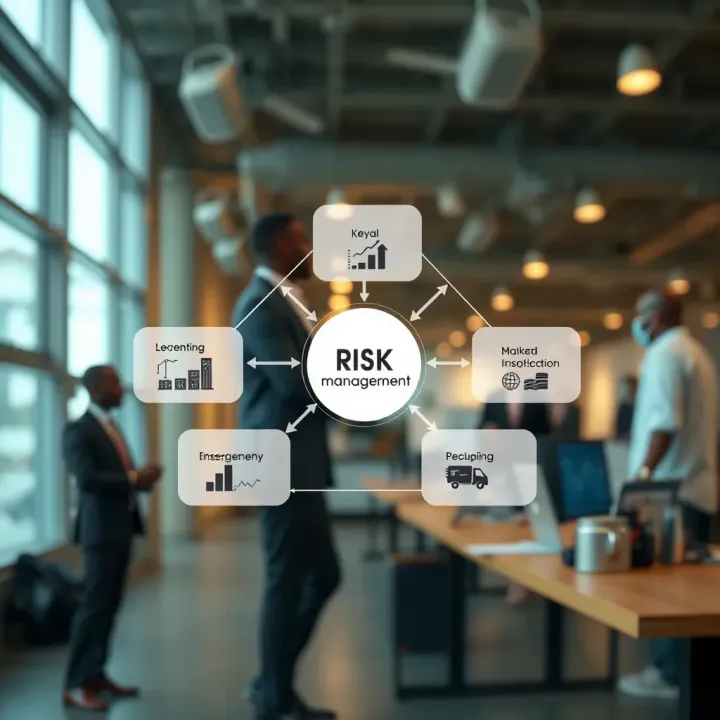
Manage risks to protect your Kenyan business assets, improve decision-making, and ensure continuity despite market challenges. Learn practical risk strategies today 📉📊
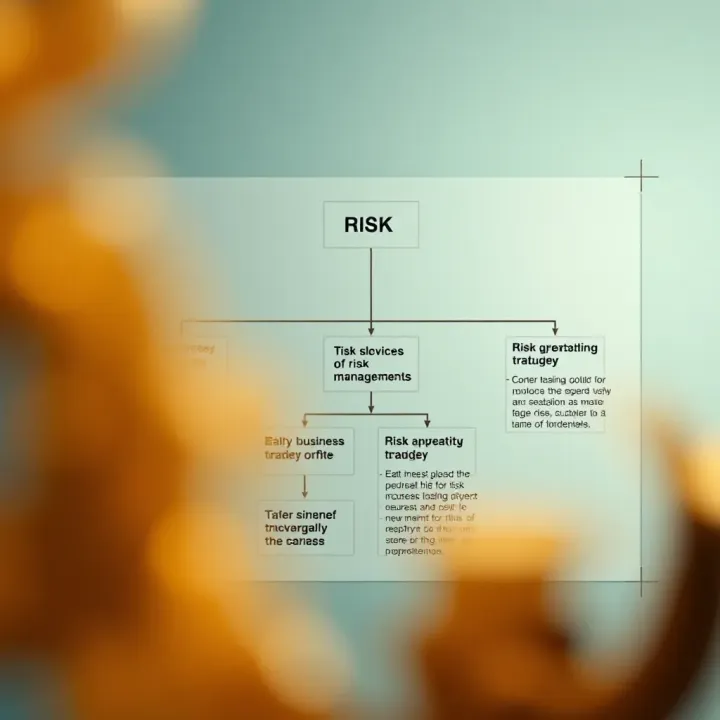
📊 Learn how risk management helps Kenyan businesses spot threats, reduce losses, and make smart decisions to stay strong in uncertain times. Practical tips included.

📊 Learn how Kenyan businesses can spot, assess, and manage risks with tailored frameworks. Practical steps and challenges explained for better growth and security.
Based on 7 reviews