
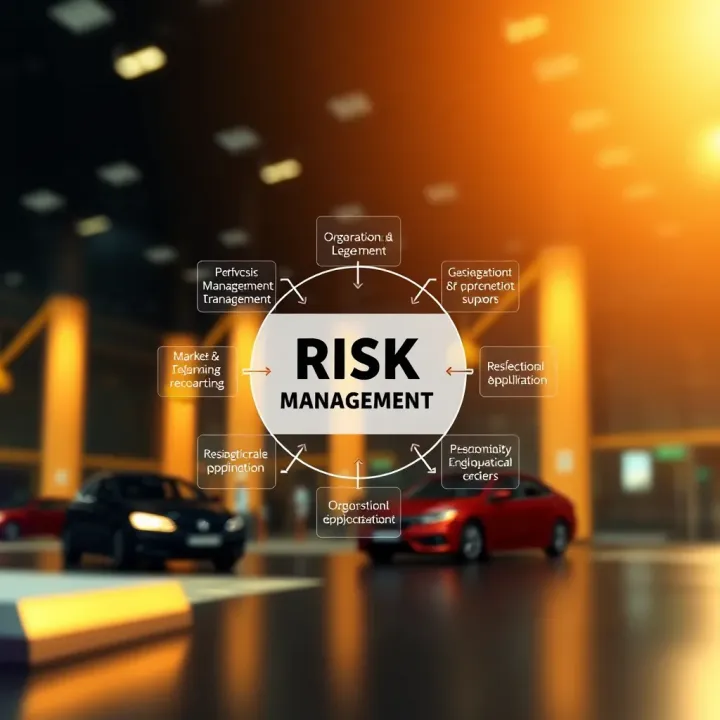
Understanding Risk Management Purpose
📊 Risk management helps Kenyan businesses spot and handle threats to operations, boosting resilience and informed decisions for smoother growth and success.
Edited By
Charlotte Davies
Risk management forms the backbone of sound business practice, especially in Kenya's dynamic markets. Every trader, investor, or finance professional faces uncertainties—ranging from currency fluctuations and regulatory changes to supply chain disruptions and market volatility. Understanding the risk management process equips you to handle these challenges systematically.
At its core, risk management helps businesses spot potential risks early, evaluate their impact, and decide on appropriate responses. This approach isn’t about avoiding risk entirely—since risks are part of any enterprise—but about controlling exposure to keep losses minimal and opportunities optimal.
For example, a Nairobi-based exporter must monitor exchange rates closely. A sudden dip in the US dollar value against the Kenyan shilling could erode profits. Through risk assessment, the exporter can decide to hedge via forward contracts or diversify markets. Having these steps clear reduces surprises and supports strategic decision-making.
This article breaks down the main steps involved in managing risk effectively:
Identification: Finding what risks could affect your business operations or investments.
Assessment: Measuring how likely these risks are and how severe their consequences might be.
Response: Choosing how to tackle risks, whether by avoiding, transferring, mitigating, or accepting them.
Monitoring and Review: Keeping track of risks over time and adapting your strategies as conditions change.
A disciplined risk management process isn’t a one-time task. It’s a continuous cycle that helps businesses and investors stay resilient amid Kenya’s changing economic environment.
Each of these steps demands practical tools and timely data. Kenyan finance professionals can use local insights, regulatory updates from bodies like the Capital Markets Authority (CMA), and technology such as M-Pesa for secure payments when managing cash flow risks. By following these steps, you safeguard your operations against shocks and position yourself to seize opportunities with confidence.
Next, we'll explore each step in more detail, ensuring you get actionable guidance tailored for Kenya’s financial and business landscape.
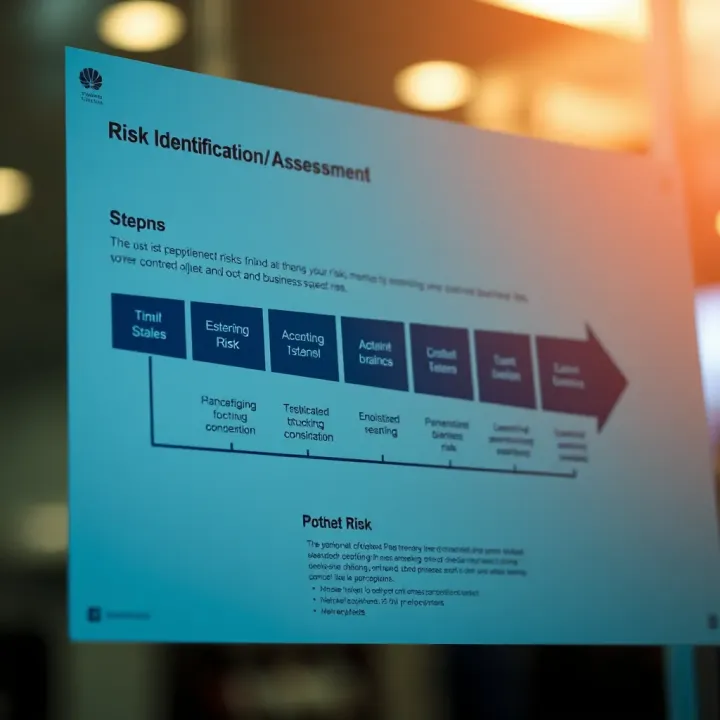
Identifying potential risks is the first and essential step in the risk management process. It means spotting anything that could disrupt your business operations, financial stability, or reputation before it causes harm. This step helps traders, investors, and finance professionals in Kenya to prepare effectively instead of reacting when problems have already set in. For example, a stockbroker might identify risks related to market volatility or regulatory changes that could impact client portfolios. By highlighting these early, one can develop plans to protect investments or advise clients accordingly.
Risks in organisations come from many places. They include internal sources such as operational inefficiencies, staff errors, or financial mismanagement. External sources also play a big role: changes in government policies, fluctuating exchange rates, or even regional security issues affect business performance. For instance, a manufacturing firm in Nairobi might face supply chain risks due to transport strikes or import restrictions. Knowing where risks come from helps organisations stay alert and tailor their risk strategies.
Gathering a team to brainstorm risks promotes diverse thinking. When traders, analysts, and other stakeholders come together in workshops, they share insights drawn from their unique experiences. This collective intelligence uncovers hidden or emerging risks that might slip past individual checks. For example, during a workshop, a finance team might spot cyber-security threats that the sales team had not considered. Such sessions foster open discussions and quickly list potential risks for further analysis.
Using structured checklists and questionnaires is a practical way to ensure no common risks are overlooked. These tools guide teams through standard risk categories, such as credit, market, operational, or compliance risks relevant to Kenyan businesses. For example, an investment firm may use a checklist to verify compliance with Capital Markets Authority (CMA) regulations, thereby reducing legal risks. Questionnaires also allow uniform data collection, making risk identification systematic and comparable across departments.
Direct interviews with department heads, seasoned traders, or external consultants provide deep understanding of specific risks. Experts often reveal insights that general methods miss, especially in specialised areas like derivatives trading or foreign exchange exposures. For instance, consulting with a tax expert might reveal upcoming legislative changes that affect financial reporting. This approach enriches risk profiles with practical knowledge grounded in experience.
Examining past records and incidents is a vital source of lessons learned. Historical data on market trends, company losses, or compliance breaches reveal patterns and recurring risks. For example, a Kenyan bank reviewing its loan default history might identify particular risk factors linked to certain sectors or client profiles. This allows for targeted risk mitigation to prevent repeat issues. Reliable data ensures risk management decisions are evidence-based, not just assumptions.
Clearly identifying risks early creates space to plan effectively, saving costs and protecting investments over time.

Assessing risks is a vital step in managing uncertainties that an organisation faces. This process helps you understand not only how likely a risk is to occur but also the potential damage it could cause. For Kenyan traders or investors, this is crucial because it guides effective decision-making — knowing which risks to address urgently and which to monitor more loosely saves time and resources. For example, if a Nairobi-based exporter evaluates the risk of currency fluctuations, assessing both the chance of major shifts and their possible impact on profit margins enables better financial planning.
Evaluating the likelihood of a risk involves estimating how often an event might happen based on current data or experience. Meanwhile, consequences reflect the possible effects if that event occurs. Doing these assessments together gives a fuller picture of risk. For instance, an investment firm analysing market risks might see that sudden legislative changes happen rarely but have severe impacts. They can then prioritise controls accordingly. Considering likelihood and outcomes separately ensures no aspect is overlooked in the risk appraisal.
A risk matrix is a simple but powerful tool used for visualising risks by plotting their likelihood against impact. This grid helps teams quickly spot high-priority risks. For example, a brokerage firm might classify a cyberattack risk as "high likelihood" and "severe impact," putting it in the red zone, signalling urgent mitigation needed. On the other hand, a risk rated low likelihood and low impact would require less immediate attention.
Using risk matrices streamlines communication during board meetings or team discussions, making sure everyone agrees on which threats to focus on. This clarity reduces wasted efforts and focuses resources where they matter most.
While qualitative methods provide a snapshot, statistical models dig deeper into analysing risks based on numbers and probabilities. Kenyan banks often run Monte Carlo simulations for credit risks, which use random sampling to predict potential losses under different scenarios. This method is particularly useful when previous data is reliable and abundant.
Statistical models allow investors and risk managers to quantify uncertainty with greater precision. For example, an insurance company might calculate the likelihood of claims arising from floods affecting homes in Kisumu based on rainfall data and historical claims. That helps set premiums at levels that balance profitability and competitiveness.
Cost-benefit analysis (CBA) helps determine whether controlling a risk is worth the expense. It compares the expected cost of risks (likelihood multiplied by potential damage) with the cost of implementing controls or insurance.
In practice, a small business in Mombasa might find that investing in a generator to avoid downtime during power cuts is cheaper than potential losses from halted operations. CBA supports such practical decisions by quantifying costs and benefits thus avoiding guesswork.
Through thorough risk assessment, businesses can allocate their limited resources wisely, focusing on mitigating risks that really matter instead of spreading efforts thinly.
In summary, assessing risks with clear evaluation methods empowers stakeholders in Kenyan markets to make informed, confident decisions. It moves risk management from guesswork to a structured, data-backed process.
Developing strategies to manage risks is a vital step in the risk management process. After identifying and assessing risks, businesses need clear plans to address them effectively. Without these strategies, even the best risk assessments might fall flat, leaving organisations exposed to financial shocks, operational disruptions, or reputational damage. In a Kenyan context, where economic uncertainties and market fluctuations are common, having targeted strategies helps companies stay resilient.
One approach to managing risk is avoidance—simply steering clear of activities or decisions that pose unacceptable risks. For example, a trader might avoid dealing in unstable foreign currencies to minimise exchange rate losses. Reduction, on the other hand, involves lowering the likelihood or impact of a risk. A Nairobi-based manufacturer, for instance, might invest in regular maintenance of machinery to reduce breakdowns that can halt production.
Insurance provides a practical way to transfer risk to a third party. Kenyan businesses often take insurance to cover assets such as vehicles, stock, and premises against theft, fire, or other perils. For example, a boda boda operator might insure the motorbike to avoid heavy losses if an accident occurs. Although paying premiums means regular costs, the clarity and financial protection insurance offers make it invaluable for many businesses navigating uncertain environments.
Outsourcing transfers specific functions or risks to specialist service providers. Many Kenyan firms outsource tasks like payroll management or IT support to reduce internal errors and free up resources. This approach passes certain risks to a provider with more expertise and lowers the burden of managing those risks in-house. However, it’s wise to vet outsourcing partners carefully to avoid new risks linked to service quality or data security.
Contracts are foundational for sharing and managing risk between parties. Clear contracts outline each party’s responsibilities and liabilities, reducing misunderstandings that can lead to disputes. For example, a construction firm entering a project with a supplier might include terms specifying delivery timelines and penalties for delays. Such agreements spread risks fairly and encourage accountability, critical for business stability.
Not all risks can be avoided or transferred, so some must be accepted. Businesses accept certain risks when the cost of mitigation exceeds the potential impact. Yet, accepting risk doesn’t mean ignoring it; controls and monitoring systems should be set up to keep these risks within manageable limits. For instance, an investor might accept market volatility but watch portfolio performance closely to act if losses deepen.
Developing tailored risk management strategies ensures organisations do not just react to risks but manage them proactively to protect their operations and growth prospects.
Putting risk management plans into action is where strategies move from paper to reality. This phase ensures that the identified risks are actively managed and controlled, reducing the chances of surprises that could harm business operations. Without clear implementation, even the best risk strategies remain just good intentions.
A key part of implementation involves designating who is responsible for managing specific risks. When a company clearly assigns roles, it avoids confusion and delays. For example, in a Kenyan agricultural business facing risks like erratic weather or pest outbreaks, the farm manager might handle daily monitoring, while the finance officer manages insurance and contingency funds.
Alongside responsibilities, resources such as finances, manpower, and technology must be allocated properly. Say a Nairobi-based manufacturing firm plans to reduce fire risks. Providing funds for safety equipment and training, and appointing a safety officer demonstrates true commitment. It’s important management supports these allocations to avoid bottlenecks in execution.
Risk management is only as effective as the awareness across the organisation. Constant communication keeps everyone on the same page about potential risks and their roles in mitigating them. For instance, monthly briefings or bulletins can update staff about new risks or changes to procedures.
Training is just as critical. It equips teams with the skills to identify early warning signs and take prompt action. A bank in Kenya, for example, might run regular workshops to familiarise employees with fraud detection methods and cyber threat responses. Beyond formal sessions, fostering an open culture encourages employees to report concerns without fear.
Assigning clear roles and investing in communication and training build a strong foundation for effective risk management. Ignoring these steps risks wasted effort and underprepared teams.
Implementing risk actions properly not only safeguards a firm’s assets but also bolsters confidence among investors and partners. It shows that the business is alert and ready to protect its value in an often unpredictable environment.
Monitoring and reviewing risks is a critical part of any risk management process. It helps businesses stay alert to new threats and track the effectiveness of their risk responses over time. Markets change, regulations evolve, and internal processes can shift, so regular check-ups prevent organisations from being caught off guard. For example, a trader in the Nairobi Securities Exchange (NSE) might watch for sudden shifts in market volatility or changes in political stability that could affect investment portfolios.
Keeping an eye on specific risk indicators helps businesses spot early warning signs before problems escalate. These indicators may include financial ratios, market trends, operational metrics, or compliance levels. For instance, a broker monitoring currency exchange risks would track factors like interest rate changes and inflation forecasts regularly. Performance metrics related to risk controls, such as the number of risk incidents reported or audit findings, also show whether existing measures are working. Without these tracked indicators, companies often miss signals that require quick action.
No plan remains effective forever. Risk environments shift, so updating risk management strategies is necessary to remain relevant and efficient. This means revisiting risk assessments and controls based on monitoring data, and tweaking them to address new risks or refining responses to existing ones. For example, if a finance company notices increased cyberattack attempts, it might invest more in IT security and train staff on cyber hygiene. Adjustments ensure resources are not wasted on outdated risks and help businesses avoid costly surprises.
Clear communication about risk status and management actions is key for accountable governance. Regular reports to shareholders, regulators, or management keep everyone informed and involved in decision-making. These reports should highlight current risks, performance against risk targets, and any changes in strategy. For Kenyan SMEs relying on support from lenders or investors, transparent reporting builds trust and encourages timely support when risks escalate.
Monitoring and reviewing are not just box-ticking activities; they provide the vital feedback loop that keeps risk management alive and responsive.
In short, regular monitoring and review help businesses in Kenya stay resilient amid uncertainties, making risk management a living process, not a one-off exercise.
📊 Risk management helps Kenyan businesses spot and handle threats to operations, boosting resilience and informed decisions for smoother growth and success.
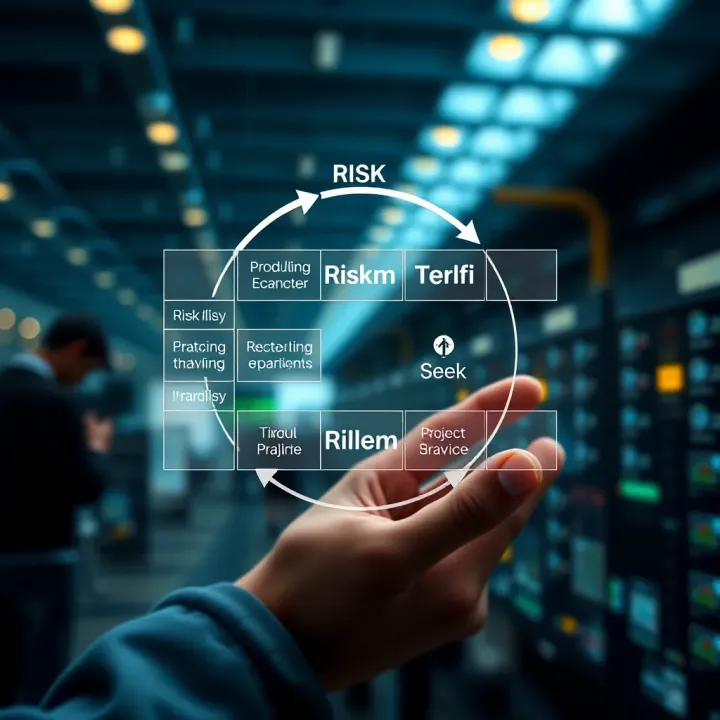
🔍 Learn how risk management sharpens project success in Kenya by spotting, analysing, and managing threats through practical tools across every project phase.
Learn how to identify, assess, and manage risks affecting your goals. Practical tips for businesses and individuals to handle uncertainties effectively 📊⚖️
🔍 Learn how to identify, assess, and manage risks in Kenyan projects effectively to ensure success and avoid costly delays or losses. Stay on track with smart strategies.
Based on 15 reviews